Reviews
(2)
4.4 /5

Mdina Highlights & Malta’s Best: Culture, Nature, and Artisan Crafts

$3,840
Duration
4 days
Difficulty

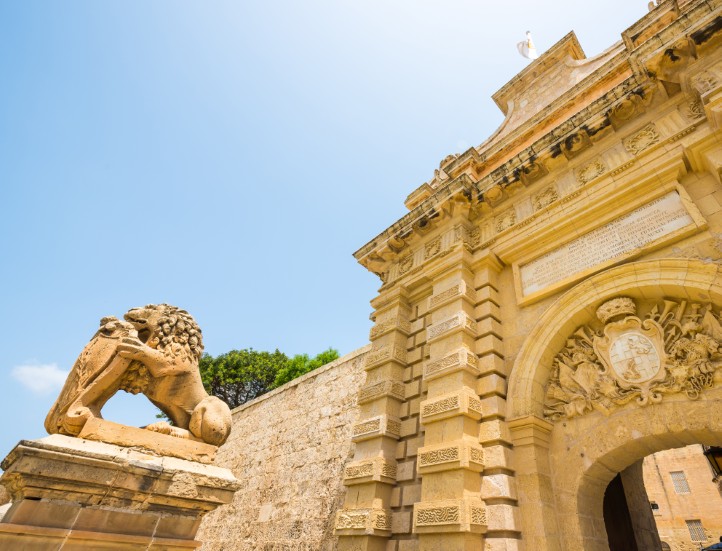
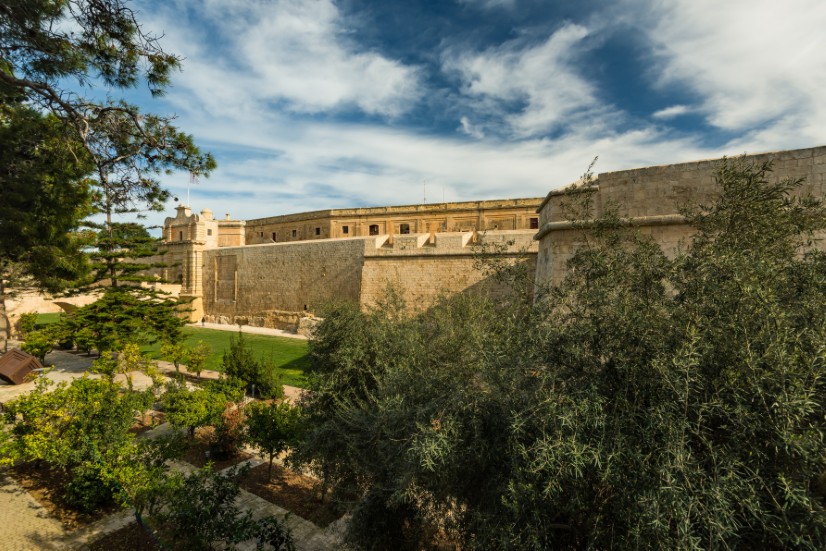
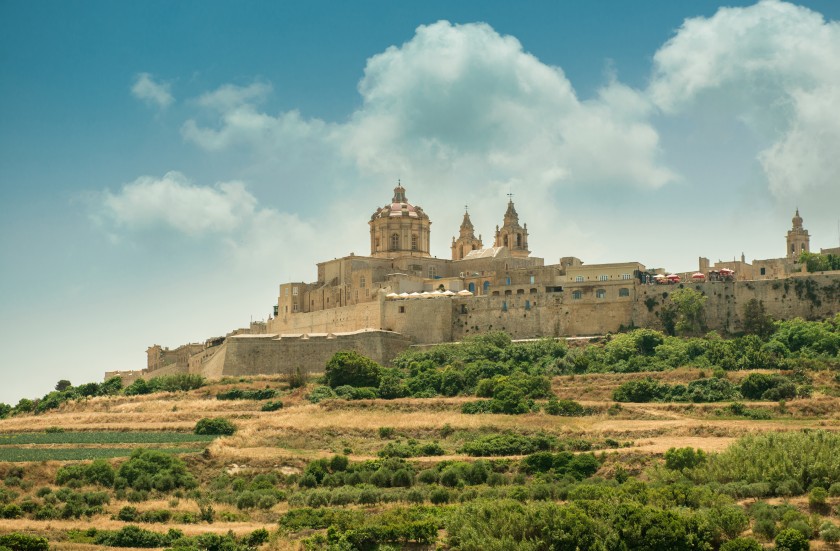
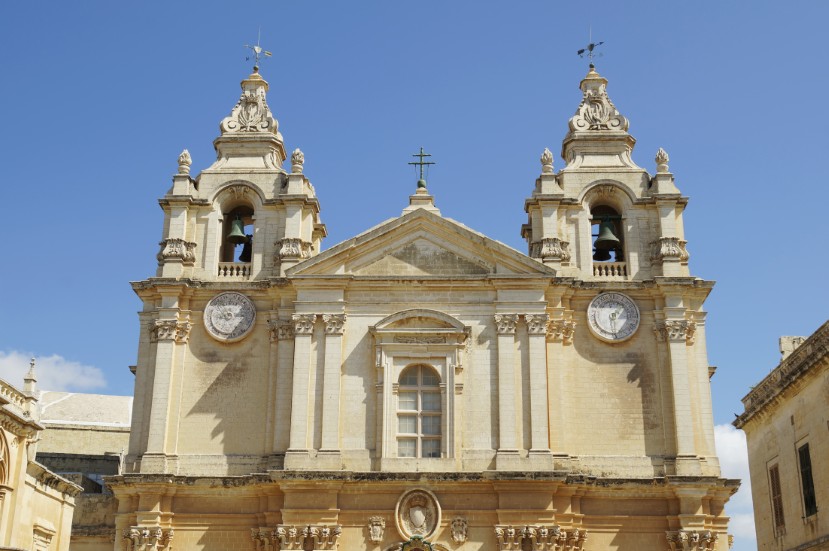
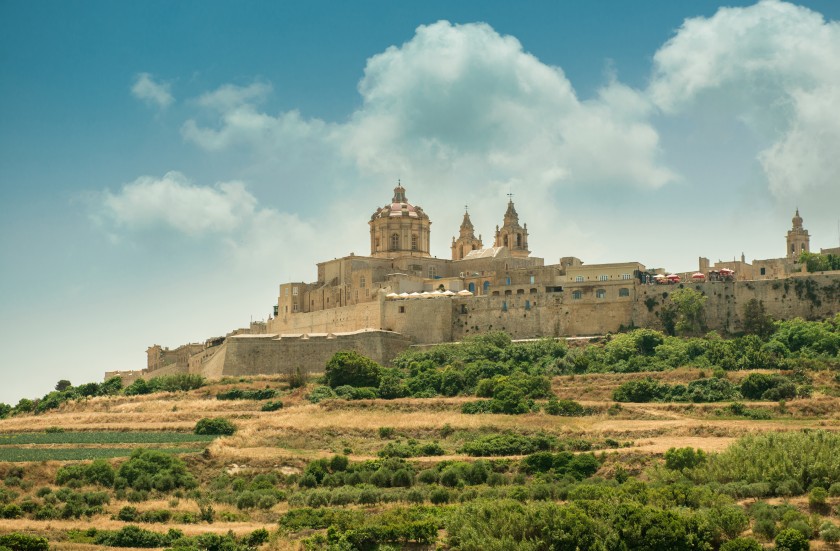
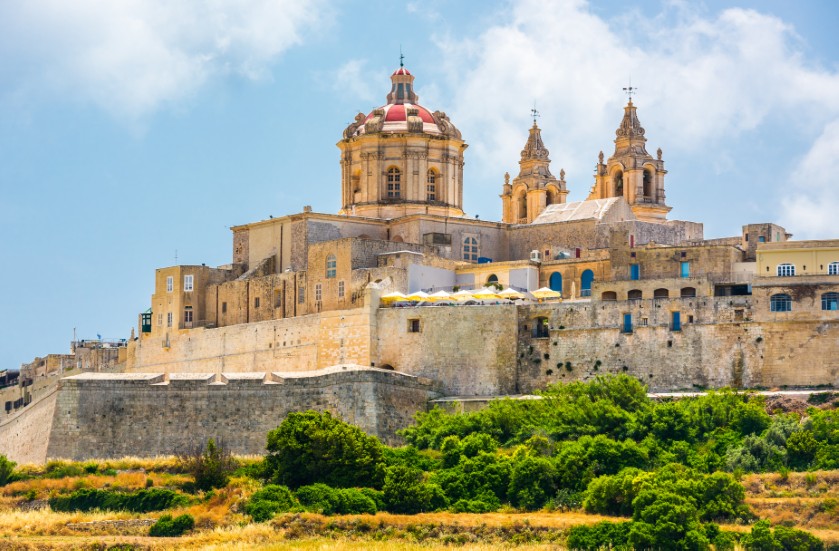
This tour is ideal for those guests who want to visit and experience some of Malta’s most interesting highlights in just one day. Carefully designed to make your day truly memorable, we start by visiting the ancient mediaeval city of Mdina, renowned for its opulent palaces and fortifications, mediaeval and baroque architecture, and ancient heritage. This majestic city, also known as Città Vecchia (the Old City) or Città Notabile (the Noble City), is unquestionably one of the island's most evocative destinations.

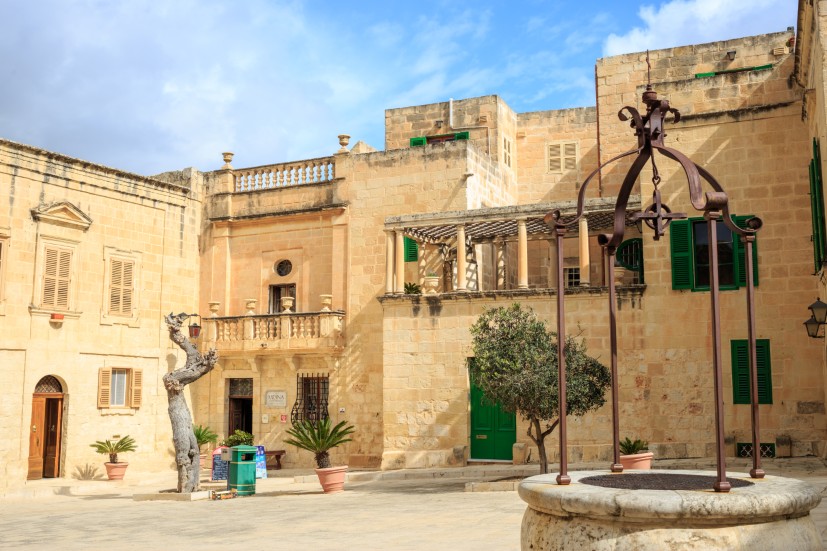
Serving as the island's capital city from antiquity until the mediaeval period, Mdina is truly an enchanting city! A stroll through its narrow streets, which have not changed much in the last 1000 years, is a must for anyone visiting the Maltese islands. It is undoubtedly one of Europe’s finest examples of an ancient walled/fortified city. Explore this historic city with an experienced local guide and delve into the rich past of the city as you explore its mediaeval streets. Take a journey back in time, admiring the magnificent palazzos and churches in the city’s unique mix of mediaeval and baroque styles, as well as the spectacular panoramas from the high bastion walls.

Leaving Mdina through the ‘Greeks Gate’ we proceed towards St. Cataldus Catacombs, located in Rabat, on the outskirts of Mdina. These catacombs hold one of the best examples of an agape table, a circular platform hewn out of the rock used for early Christian funerary rituals. Dating from the late 2nd to the 3rd centuries, these small catacombs were originally a Punic burial shaft. The graves in the catacombs are beautiful examples of canopied tombs, while many other graves are hewn in the rocks. This site represents some of the earliest archaeological evidence of Christianity in Malta.

We then proceed to Dingli Cliffs, located off the village of Dingli on Malta’s western coast, at around 253 metres above sea level. These cliffs represent the highest point of the Maltese Islands. The cliffs propose a majestic sight; the views overlooking the terraced fields underneath and the panorama of the vast open seas with the uninhabited small island of Filfla as its backdrop are truly breath-taking! Given their impressive height, the cliffs can be considered natural forts since no attacker can approach the island from the west. Perched on the edge, marking the highest point on the Maltese islands, is a gorgeous, tiny chapel built in 1646, dedicated to Saint Mary Magdalene.

After lunch, we will visit the San Anton Botanical Gardens, located in the village of Attard. These beautiful gardens were built in the early 17th century by Grand Master Antoine de Paule to complement his summer residence, San Anton Palace, which is located at the perimeter of the gardens and which today serves as the residence of the Maltese President.

Open to the public since 1882, the gardens have several pathways surrounded by fountains and ponds that are inhabited by families of ducks, swans, peacocks, peahens, and turtles and encompass a large variety of trees and flowers from around the world, including a variety of palm trees, cypress, jacarandas, araucarias, and other exotic plants, some of them over three centuries old.

Our next stop is at the town of Ta’ Qali, where we will visit the Ta’ Qali Artisan Village. Located in a former British Royal Air Forces wartime airfield and restored as a local artisan’s hub, here you can admire the local craftsmen forming elaborate glass art pieces using the ancient glassblowing technique, intricately assembling original silver and filigree jewellery, and much more. With a vast selection of genuine goods made by local artisans and craftsmen, such as paintings, traditional Maltese lace, gold, silver, and filigree jewellery, leather goods, furniture, ceramics, and ornamental glass, this is the perfect place to pick up some truly genuine locally made mementos that will remind you of your visit to Malta (no obligation to buy).

We end our tour with a visit to the Sanctuary Basilica of the Assumption of Our Lady, commonly known as the Rotunda of Mosta or the Mosta Dome, a Roman Catholic parish church and minor basilica located in the city of Mosta. It was built between 1833 and the 1860's to neoclassical designs. The design of the present church is based on the Pantheon in Rome. The church is renowned for having the third-largest unsupported dome in the world and is also Malta's largest church.

The church narrowly avoided destruction during World War II when, on April 9, 1942, the German Luftwaffe dropped a bomb on the church. The bomb pierced the dome and entered the church but failed to explode, thus sparing the lives of more than 300 people who were attending the early evening mass. This event was interpreted by the locals as a miracle.

Lunch is included during this tour.

During the whole tour, our knowledgeable and experienced guides will provide you with riveting information and enhance your experience through narration and engaging storytelling.
Inclusions

  • Hotel pick-up and drop-off (from your Hotel or a  close meeting point)
  • A licenced tour guide
  • All transportation in air-conditioned vehicles
  • Lunch including a glass of wine
  • Admission to all sites included in the itinerary

Exclusions

  • Any extra drinks consumed during lunch
  • Tips (optional)

Tour Plan

Itinerary

Expand All
Day 1

Seoul Highlight Tour with Drinking Tea at traditional Korean Tea House at Insadong

Day 1

Hotel Pickup in Seoul at 09:00 and Hanbok Rental(optional)

We will first visit a Hanbok Rental shop to try the Korean traditional dress(Optional). You can stroll inside Gyeongbukgung palace wearing Hanbok. Wearing the dress will leave you both a special memory and dreamy pictures.

Situated at the top of Gwanghwamun Square, the presence of Gyeongbukgung palace gleams brightly in the central spine of the nation. As the first and largest palace built by Joseon Dynasty in 1395, the grand villa consisted of 330 buildings and had up to 3,000 staffs.

Before entering to explore the palace, we will also watch the changing ceremony of royal guards. This enactment is an excellent opportunity to experience a rare tradition, performed exactly as it used to be held. Guards appear wearing royal uniforms, carrying traditional weapons and playing traditional instruments.

Day 1

Insadong is a district well-known for hosting generations-old antique and traditional craft stores of all kinds, ranging from ceramics, caligraphy, and theater masks to embroidery. The hidden joy of this wide art street is enjoying a cup of traditional jujube tea in an old cafe secluded in small streets! Visit Ssamziegil Plaza to be amused by all kinds of creative home-goods and decorative-pieces. Visit Ssamziegil Plaza to be amused by all kinds of creative home-goods and decorative-pieces.

Lunch(Local Food)/Insadong art & Antique street
with Included Drinking tea at a traditional Korean Tea House

Day 1

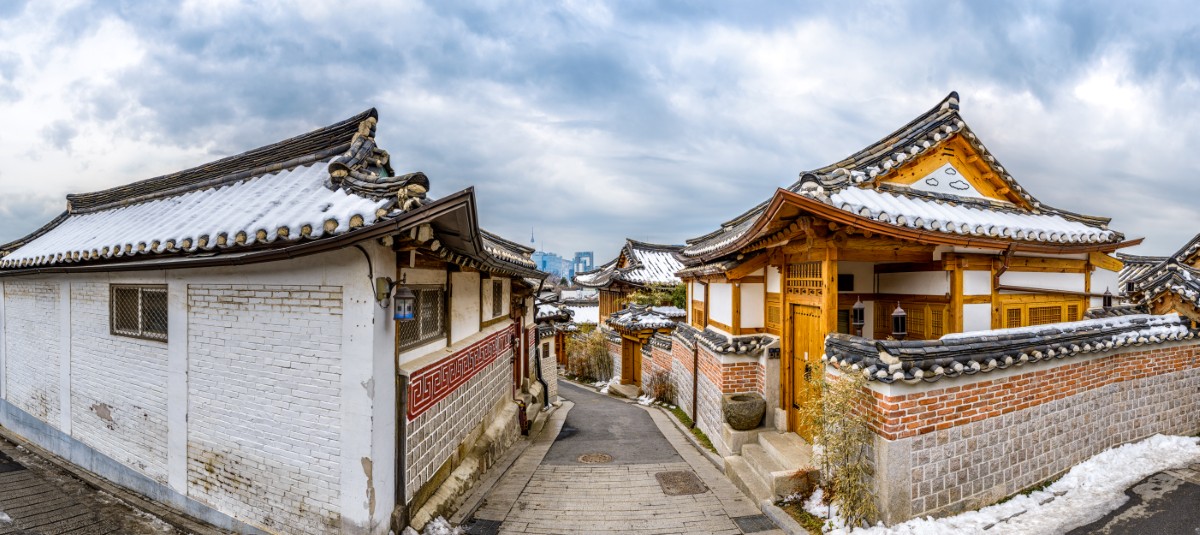
Bukchon Hanok Village is home to hundreds of traditional houses called hanok, that date back to the Joseon Dynasty. We will go stroll in this labyrinth of traditional homes cramped together, even sharing walls. Created by the first city-planner of Korea, these intimate structures will delight you as you discover your way around the hillside village. If you are a fan of K-dramas like me, then you would definitely see some familiar sights.

Day 1

Take in the breathtaking 360-degree view of the Seoul Metropolis!
The top of the tower is at almost 480m above sea level, including Namsan Mountain(243m) and the tower’s own height(236.7m).

The tower was first established as a broadcast tower to send out TV and radio signals in 1969. As of now, it has become one of the representative landmarks and multi-cultural venues in Seoul. At the tower, you can check out other highlights including the famous Locks of Love and ancient beacon mounds.

Day 1

Myeong-dong is Seoul's shopping mecca with a mixture of street stalls and retail outlets selling everything from high fashion to Korean cosmetics. The luminous streets are filled with abundance of street food vendors. Enjoy your first evening in this town, which seems to have forgotten the night.

Dinner(Local Food)/Hotel drop off in Seoul

Day 1

Lunch is Local Food
And Included Drinking tea at a traditional Korean Tea House

Day 1

Local Food

Day 1

hotel in Seoul :
- 5star: Intercontinental Hotel or similar
- 4 star: Best Western Arirang Hill or similar

Day 2

Suwon Hwaseong Fortress with Korean Folk Village Tour

Day 2

Hotel Pickup in Seoul at 09:00 and Head to Yongin Korean Folk Village

Korean Folk Village introduces traditional culture from the late Joseon period to both local and international visitors through cultural classes, experiences, reenactments of shamanic faith, seasonal customs and others.

Explore the village to watch traditional performances

1. Farmers’ Music and Dance
2. Acrobatic on tight rope
3. Martial arts on running horse

Lunch(Local Food)

Day 2

Hwaseong Fortress is an impressive structure from the latter part of the Joseon Dynasty, and the official fortress of Suwon, Gyeonggi-do. Constructed from 1794 to 1796, it was built as a display of King Jeongjo’s filial piety towards his father and to build a new pioneer city with its own economic power.

The fortress wall hosts a great variety of military facilities that are hard to be found anywhere else. During the construction, scholar Jeong Yak-Yong invented ‘Geojunggi,’ which uses a lever to lift up heavy stones, greatly reducing time.

Day 2
Day 2

Lunch and Drinking tea at a traditional Korean Tea House at Insadong

Day 2

Local Food

Day 2

hotel in Seoul :
- 5star: Intercontinental Hotel or similar
- 4 star: Best Western Arirang Hill or similar

Day 3

Seoul - The Demilitarized Zone (DMZ) and Panmunjeom(JSA) Tour

Day 3

Hotel Pickup in Seoul at 09:00 and Head to Paju for DMZ Tour

The Demilitarized Zone(DMZ) is a weapons-free buffer zone between North and South Korea. The area was established on July 27, 1953 when the Armistice Agreement was signed during the Korean War. It includes the 2km-wide stretch of land on both north and south of the line.

Day 3

Dorasan Station is the northernmost railway station in South Korea. At a time it connected South and North Korea, and trains with industrial supplies were allowed to use the station temporarily. The now closed station is a symbol of peace in the divided country.

Day 3

From Dora observatory, visitors can overlook North Korea through a vernacular. Various locations and structures of the last secluded country on earth including Gaeseong, Songaksan, Kim Il-Sung Statue and Cooperation Farm(Geumamgol) are seen from the deck.

Day 3

The Third Infiltration Tunnel is one of four known tunnels under the border between North and South Korea. Discovered in 1978, the tunnel is 1mile long. It penetrates 435 meters south from the military demarcation line, and can coordinate 30,000 men in a single hour. Convincingly built to perform a rapid raid action to the South, North Korea was blamed for threatening the 1953 Korean Armistice Agreement by United Nations upon its discovery.

Lunch(Local Food)/Head to Seoul

Day 3

Unification bridge is most notably remembered by a travelling of 1001 cows led by Chung-Ju-Yung, the founder of Hyundai Industry. At the historic moment of first South-North summit taking place, Chung crossed the border with the cattle in an wishful act to stabilize the relation between two Koreas. During his young days, Chung had stolen a cow from his parents in North Korea to pay for his move to the city.

Unification Bridge Check Point (Passport and ID Examination) - Both foreigners and Koreans are required to present their ID card in order to pass the Tongil bridge

Day 3

The Joint Security Area (JSA), also known as the Panmunjom truce area, remains the most iconic image of the DMZ. Its hawk-eyed guards and barbed wire fences make us realize that we just arrived at one end of a world.

Day 3

House of Peace is a venue for peace talks between North and South Korea. The building is located in the Joint Security Area on the south side of the Military Demarcation Line bisecting the area. Many inter-Korean summits too place in Freedom House, the conference room of the pavilion. And visit to The 3rd observatory and No return bridge is mean that you cannot go back once you cross it

Day 3
Day 3

Local Food

Day 3

Local Food

Day 3

hotel in Seoul :
- 5star: Intercontinental Hotel or similar
- 4 star: Best Western Arirang Hill or similar

Day 4

Seoul - Mt.Sorak National Park and Sokcho Tour

Day 4

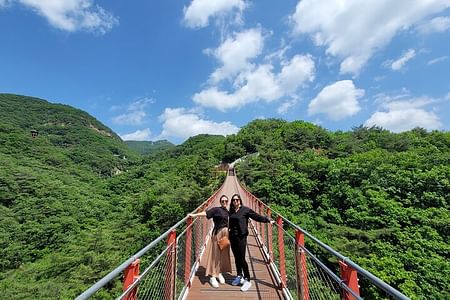
Head to Mt Sorak National Park for 2 and half hours and first visit to Gwongeumseong Fortress is the site of a castle ruins located on Seoraksan Mountain, and it is also known as Mt. Onggeumsan Castle, or Toto Castle. It is located on the steep Dolsan Mountain of Seoraksan Sogongwon area. It is believed to have been built by the 23rd King of the Goryeo Period (918-1392), Gojong (r. 1213-1259). It is also called Gwon-Kim Castle, as there is a legend that two generals named Gwon and Kim, built the castle to avoid war.
At the left side of Sogongwon, past the Biryonggyo Bridge over the ravine, there is a path which leads to Gwongeumseong Castle, but it takes over an hour of travel through a steep, rocky path (2.5km), so cable car is used.

Day 4

Sinheungsa (신흥사) is a short 10min walk away from the entrance to Sogongwon. In fact, many visit because of its close proximity to Sogongwon. Sinheungsa is a temple which used to be called Hyangseongsa, built by Jajangyulsa (590~658), who traveled to famous mountains all over the nation, in Queen Jindeok’s (?~654) 6th year of reign. It was destroyed and rebuilt many times since.

On the path to Sinheungsa, there is a great bronze statue called Bronze Jwabul Statue, which is well over 10 meters high.

Day 4

Yeonggeumjeong, a pavilion built on the shores of Sokcho, is popular for its magnificent views of the sunrise

Day 4

Abai Ferry is a special way to get across Sokcho Harbor, separating downtown Sokcho from Abai Village. The distance is quite small, only reaching about 50 meters across, but riding one of the two ferries is much quicker than going around by land. The ferry must be pulled across by rope by all passengers, excluding the elderly. This unique experience can only be found in Sokcho.

Day 4

Having recently changed its name to Tourist & Fishery Market (formerly Jungang Market), this market was opened in 1982

Fishery items and hoetjip (raw fish restaurants) are located on the basement level, and general whole sales and retail sales, such as food and clothes, are available on the first and second floors. In addition, many of Sokcho's famous snacks like dak-gangjeong (sweet and sour chicken) are found at many of the stalls inside the market.

Back to Seoul

Day 4
Day 4
Day 4

Meeting / Pickup

Pick-up only: Customers must be picked up from selected pick-up locations.

Please Note

  • The time shown on the website or on your ticket is the approximate start time of the activity and not the time when you will be picked up from your hotel (or closest meeting point). At least a few days before the date of your activity, you need to make sure to contact the tour operator to confirm your pick-up location and pick-up time. Your pick-up time can be any time between 8:30 AM and 9:10 AM, depending on where you are staying. To confirm your pick-up location (meeting point) and your pick-up time, please send an e-mail to [ ] at least a few days before the date of your activity. Make sure to include your booking reference number in the e-mail. The tour will be guided in the language that you have booked; however, please note that occasionally, due to operational circumstances, a multilingual guide (limited to a maximum of two languages) might provide the commentary in two languages. The tour in Polish will be conducted by either a Polish-speaking guide (subject to availability) or an English-speaking guide together with a native Polish host serving as a translator. The tour in Spanish will be conducted by either a Spanish-speaking guide (subject to availability) or an English-speaking guide together with a Spanish-speaking host serving as a translator. The provider reserves the right to change the order of the visits without prior notice. While generally there are always some craftsmen practicing their trade at the Ta' Qali Artisan Village, we cannot guarantee that there will always be artisans practicing glassblowing techniques while we are there. Since the artisans who operate at Ta' Qali Artsan Village are independent businesses, we have no control over their working schedules. No particular dress code is required; we suggest wearing comfortable clothes according to the forecasted weather. One should note that we will be visiting the Rotunda of Mosta, a Roman Catholic church; therefore, some decorum is expected (avoid wearing very short skirts, sleeveless shirts, see-through clothing, excessively revealing clothing, etc.). The tour is not wheelchair-accessible. Foldable strollers are allowed during the tour. Pets, large luggage, and large suitcases are not allowed during the tour. Any personal belongings, including backpacks or rucksacks, must be carried with you at all times and may not be left unattended on the coach or bus. The tour is not recommended for travellers with mobility impairments. The tour will operate as scheduled, rain or shine. Both electronic and paper vouchers are accepted.

Cancellation Policy

Fully refundable until 1 day before start

Non-refundable after 1 day before start

Reviews

4.4/5
Wonderful
2 verified reviews
Location (4.5/5)
Amenities (4.5/5)
Services (4/5)
Price (4.5/5)
Rooms (4.5/5)

2 Comments

  1. 4.6

    • Location
    • Amenities
    • Services
    • Price
    • Rooms

    Exploring the stunning landscapes of Mt. Seoraksan and the vibrant streets of Seoul over four days was a memorable experience for us. The private aspect of the tour allowed for flexibility, which we appreciated, especially when it came to savoring local delicacies like spicy tteokbokki and fresh sashimi in Sokcho. While our guide was knowledgeable and engaging, there were moments when we’d have liked a bit more time to explore Suwon’s historical sites at our own pace. Overall, this trip beautifully combined urban adventures with nature, creating a lovely balance we thoroughly enjoyed. The views from the park were truly breathtaking, leaving us with lasting impressions of South Korea’s rich culture and scenery.

  2. 4.2

    • Location
    • Amenities
    • Services
    • Price
    • Rooms

    Our family was captivated by the blend of history and nature during our visit to Seoul and surrounding areas, especially the stunning contrast between the bustling city and the peaceful trails of Mt.

Comments are closed.

Login

Sign In / Register

Login
Register
Forgot Password?