Reviews
No reviews yet

Kathmandu Tour: Explore Asan Bazaar, Durbar Square & Meet Kumari Goddess

$223
Duration
7 hours 30 minutes
Difficulty

This tour is specially designed to those who want to get a chance to see her and know facts about strange life of Living Goddess Kumari.

Start this day tour from strolling old bazaar of Ason, following sightseeing of Kathmandu Durbar square then visiting Kumari Temple. There are several legends and myth regarding the beginning of Goddess Kumari. Among the several legends popular one is of King Jayaprakash Malla playing tripasa, a dice game.

Highlights:
• Asan Bazaar: A vibrant marketplace offering a variety of goods.
• Indra Chowk: Known for its traditional Newari architecture and handicrafts.
• Durbar Square: A UNESCO World Heritage Site with ancient palaces and temples.
• Kumari Temple: Home of the living goddess, Kumari.

Please note that the itinerary is subject to change, Enjoy your trip!
Inclusions

  • Entrance fees
  • Guide fee
  • All pick up and drop off
  • Food & drinks
  • WiFi

Exclusions

  • Any meals and drinks
  • Tips (For Guide and Driver)
  • Personal Expenses
  • Travel Insurance
  • Food & drinks

Tour Plan

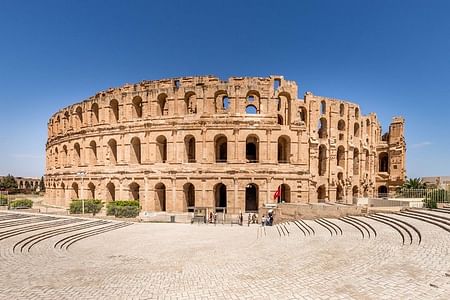
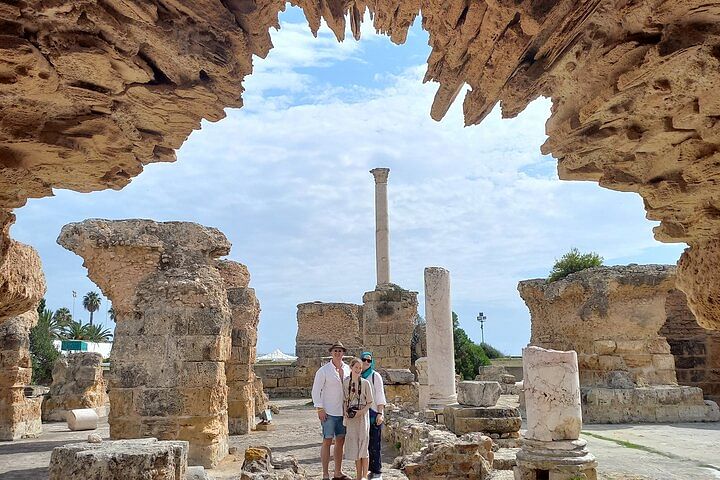
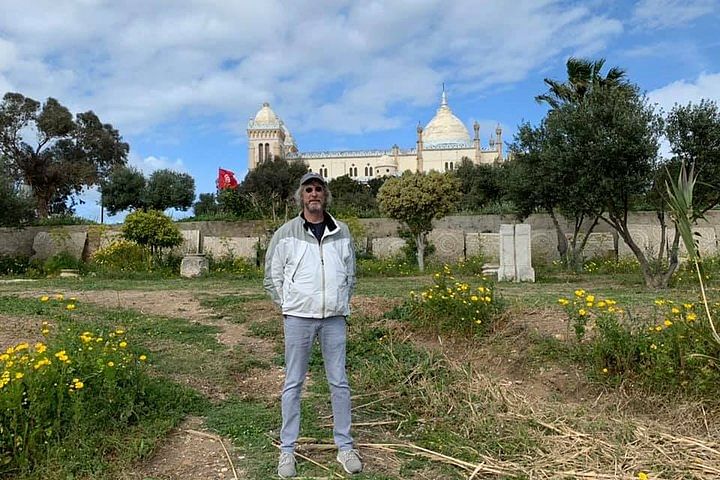
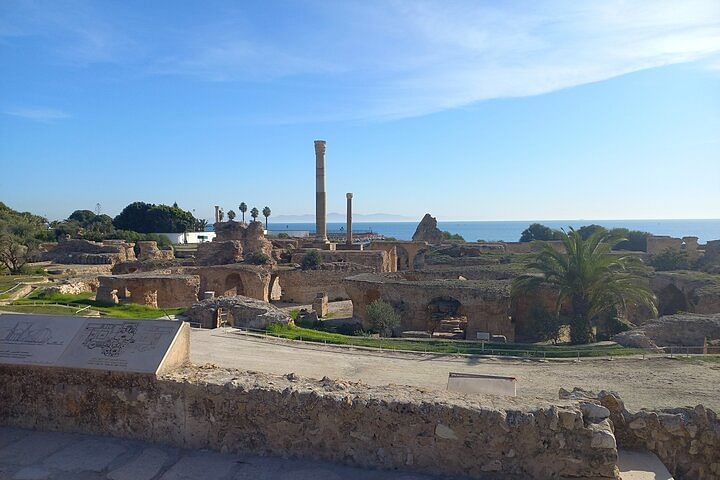
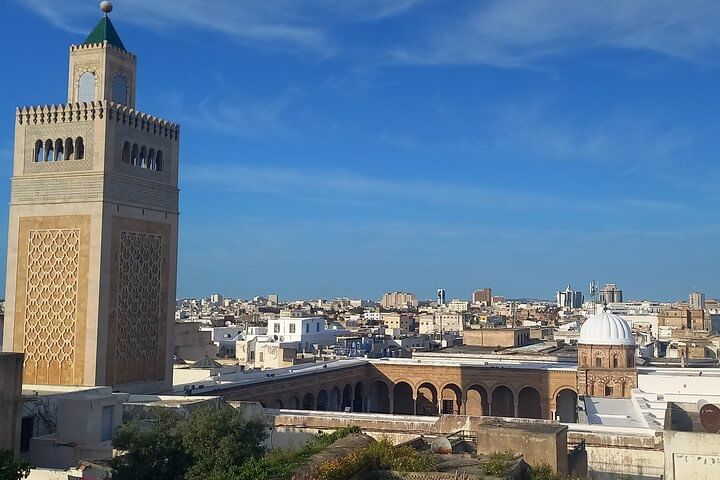
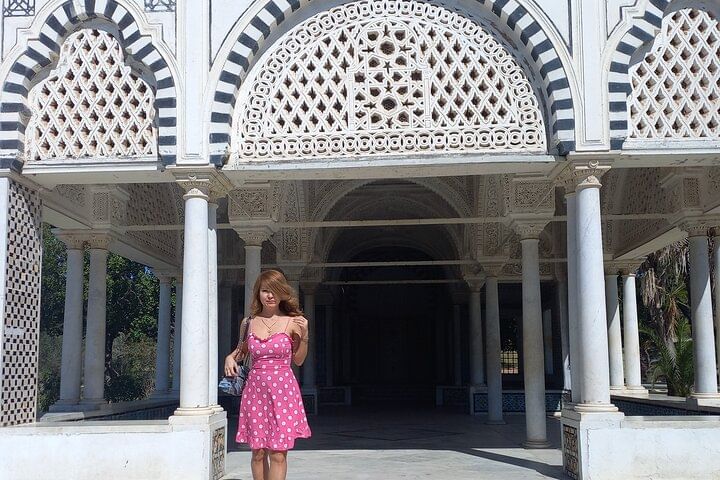
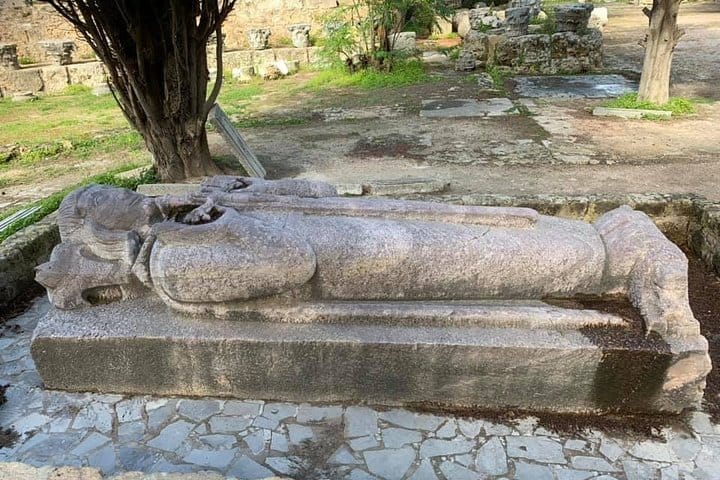
Large complex of Roman baths built in the 2nd century which is today part of an archaeological park.

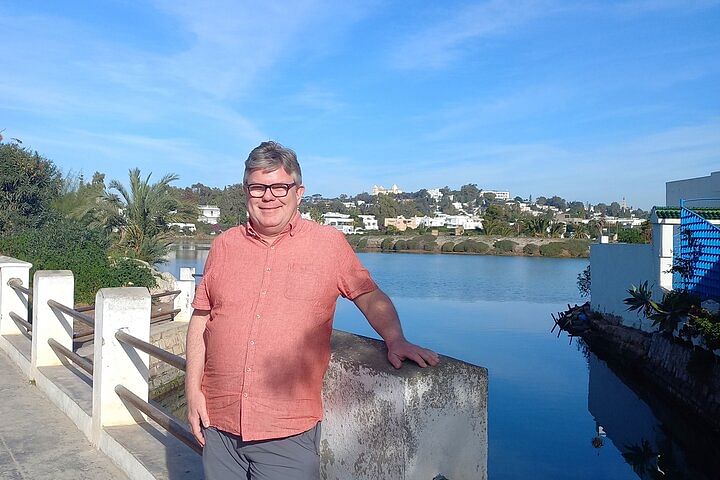
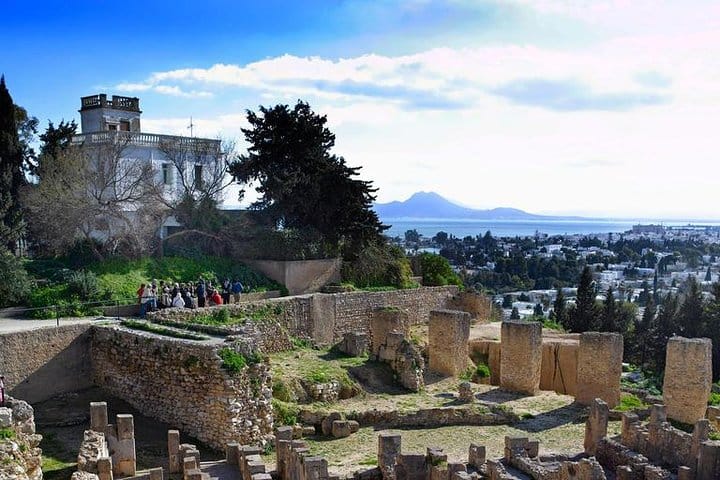
The Punic ports of Carthage designate the port facilities of the ancient city located on the territory of present-day Tunisia

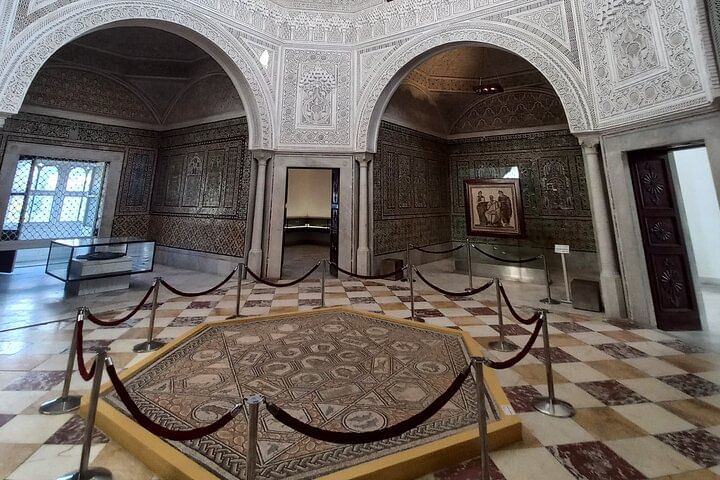
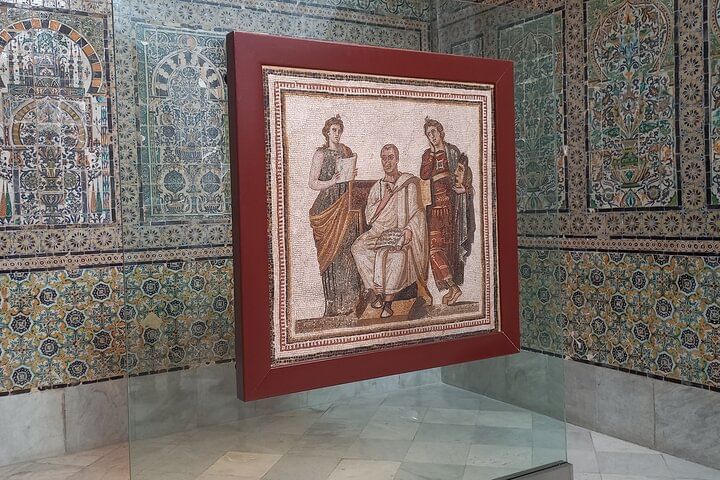
The National Museum of Carthage is an archaeological museum located on the Byrsa Hill in the heart of the city of Carthage in Tunisia. It is one of the two main archaeological museums of Tunisia with the National Museum of Bardo.

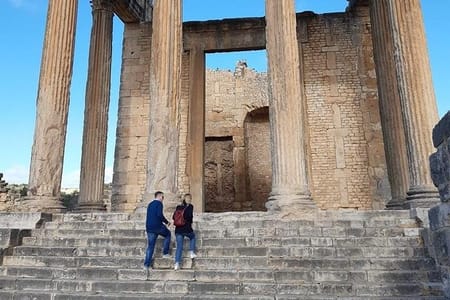
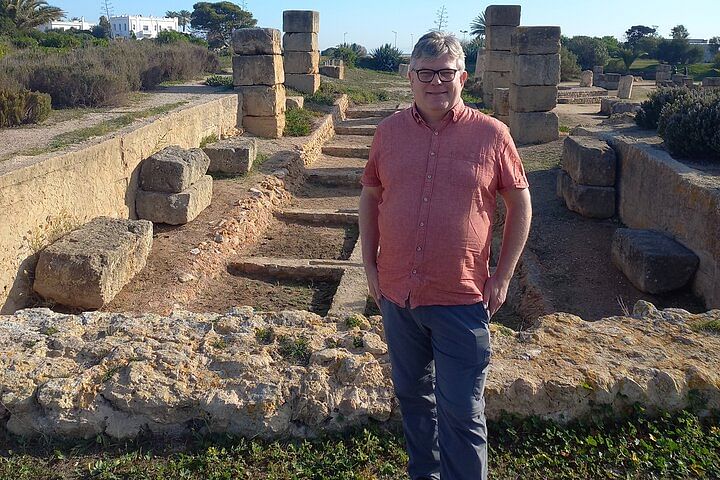
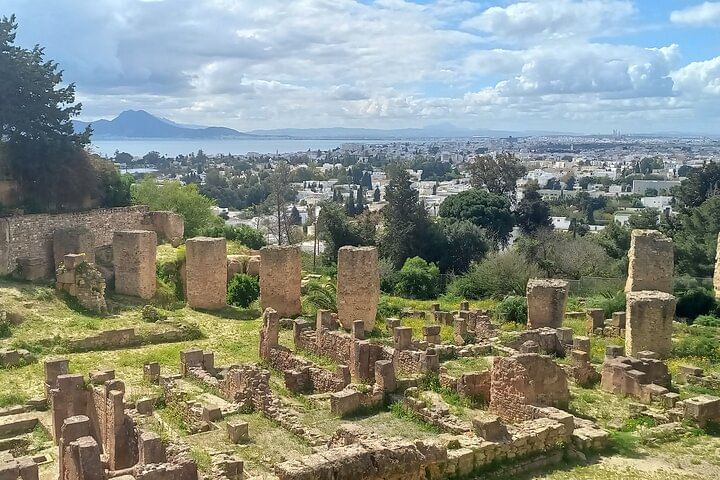
Archaeological remains of an ancient Carthaginian city rebuilt under the Roman Empire.

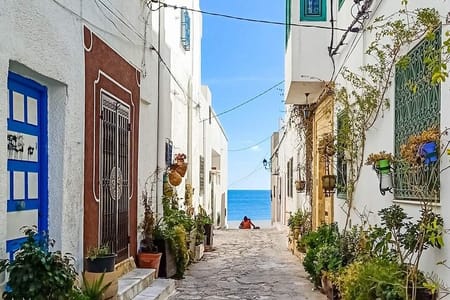
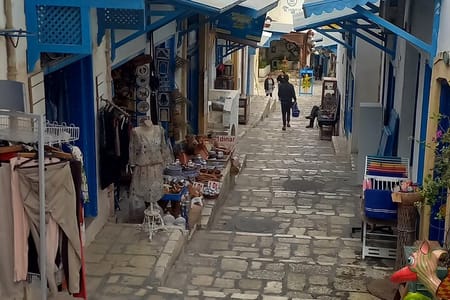
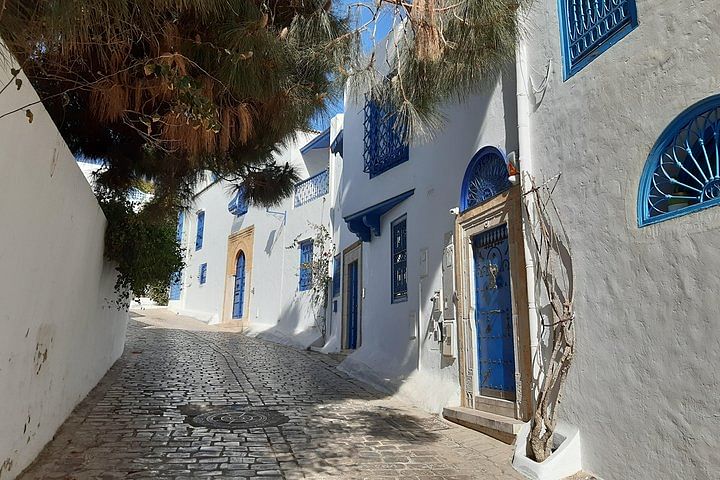
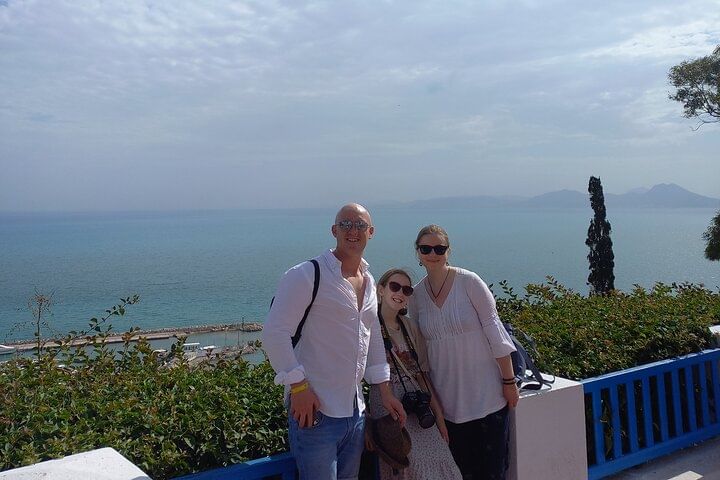
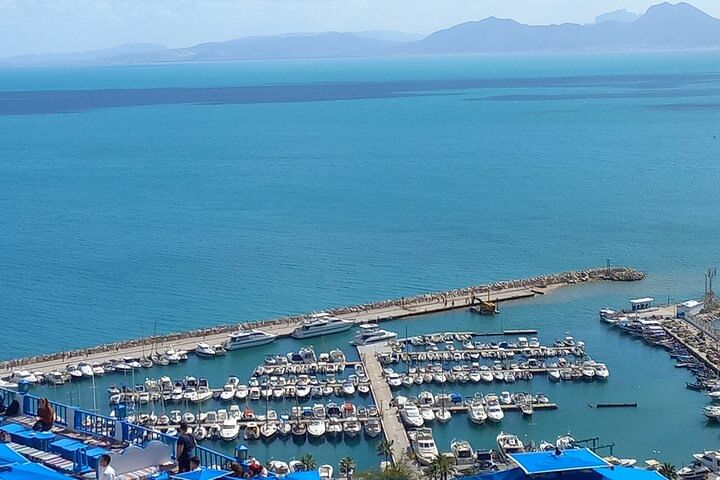
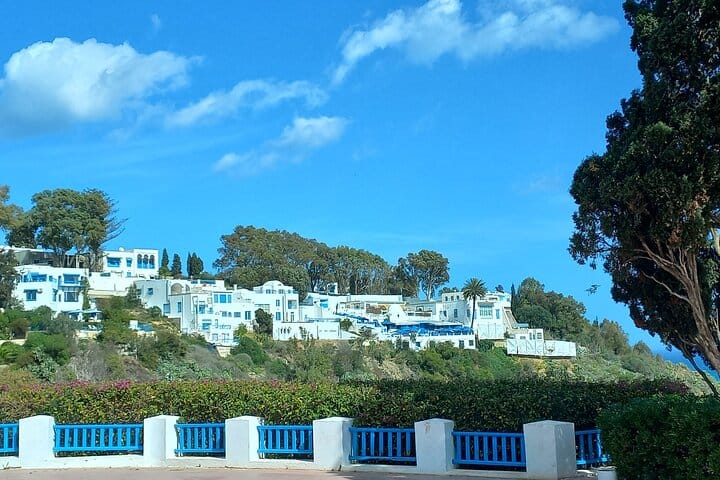
A Sidi Bou Saïd, le visiteur est subjugué par la beauté et l’originalité du lieu. Ruelles pavées, bougainvilliers fuchsia et blanc et moucharabiehs, le petit village de 5000 habitants a été le premier site protégé au monde. Rattaché à Carthage, le village est classé par l’Unesco au patrimoine mondial de l’humanité depuis 1979. Perché sur une colline, Sidi Bou Saïd domine fièrement Carthage. Son histoire commence avec les Carthaginois et les Romains. Au XI ème siècle, les Almoravides choisissent cet endroit stratégique pour la défense des côtes.
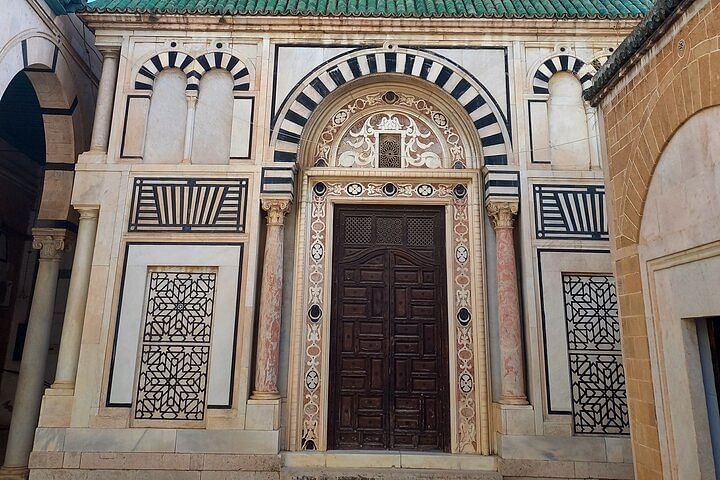
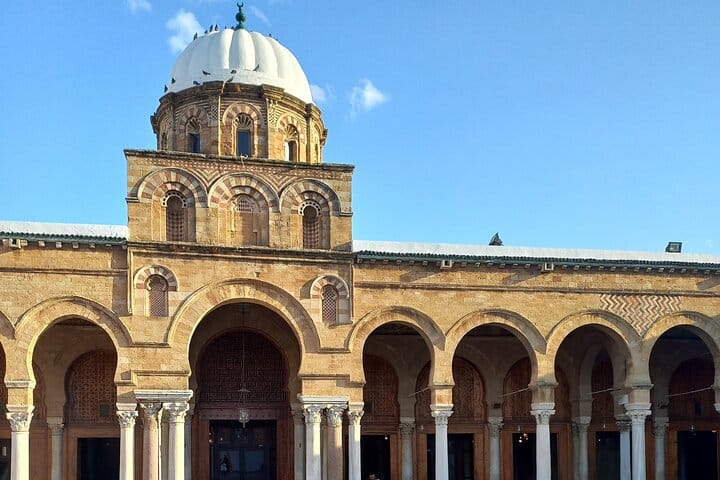
Plus tard, Khalaf Ben Yahia Tamimi El Beji s’installe à Djebel Menara sur les hauteurs, enseigne le soufisme et monte la garde des côtes. C’est sans nul doute de cette époque que date le mysticisme du lieu. Les marins étaient convaincus que l’homme assurait leur protection. A sa mort, en 1231, une zaouia est construite et ce n’est qu’au XVII ème siècle que le village prend le nom de son protecteur, Sidi Bou Saïd.
A cette époque, les bourgeois tunisois apprécient la vue splendide et la fraicheur des ruelles. Ils y construisent des villas somptueuses d’architecture arabo-andalouse sans vraiment tenir compte d’un plan urbain. Aujourd’hui on ne s’étonne plus de voir ces maisons dispersées ici et là. C’est aussi cela qui fait le charme du village.
Le baron Rodolphe d’Erlanger est l’autre homme qui a fait la renommée de Sidi Bou Saïd. Amoureux de la musique et des arts, il vouait une passion pour l’architecture du village. Grâce à ses plaidoyers, en 1915 un décret protège Sidi Bou Saïd des constructions anarchiques et oblige les propriétaires des maisons à respect la couleur bleue et blanche. Aujourd’hui, la Maison d’Erlanger abrite le Centre de Musiques arabes et méditerranéennes.
Les tunisiens aiment y venir, marcher dans les ruelles étroites et respirer les odeurs de thé et de jasmin. Le week-end le café des nattes et le café Sidi Chaabane ne désemplissent pas. Il y règne une ambiance de nonchalance, un parfum artistique laissé par le passage de nombreux artistes et écrivains. Simone de Beauvoir, Colette, André Gide ou Michel de Foucault ne se lassaient pas de ce village où ils pouvaient déambuler des heures en regardant la baie de Carthage et les vagues de la Méditerranée.

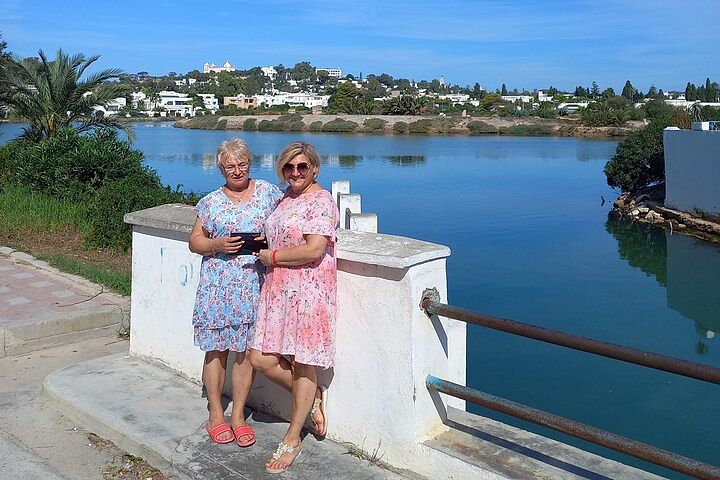
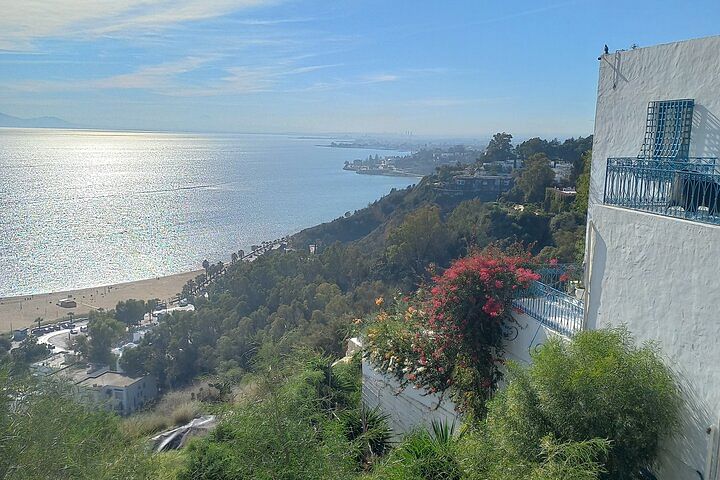
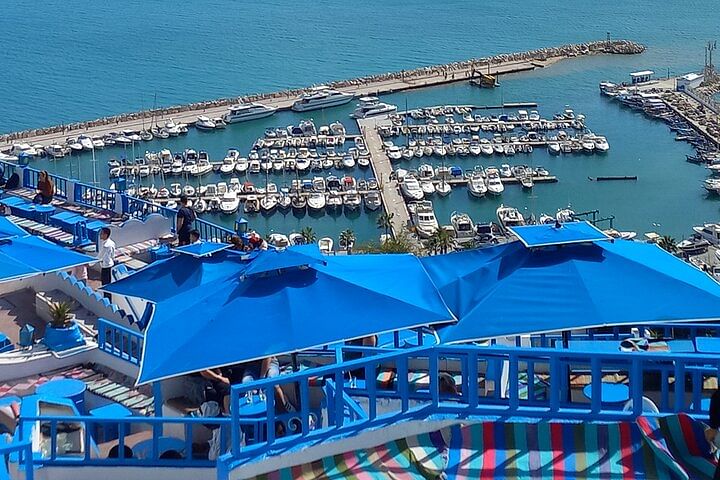
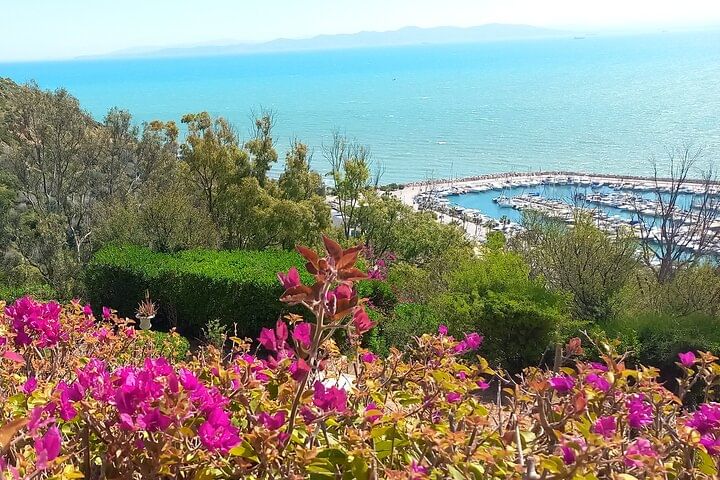
Created in the 1960s in Sidi Bou Said in Tunisia. Located at the top of the village, it offers a view of the Gulf of Tunis. Its blue parasols take up the same blue color used throughout the village.

Superb location overlooking the sea

Itinerary

Expand All
Visit Old Asan and Indra Chowk Bazaars

1:30 pm: Pickup at your Kathmandu hotel in an air-conditioned vehicle, head with your private guide to the Old Asan and Indra Chowk Bazaars. Follow your guide on a walk along the narrow alleyways of Asan to Kathmandu Durbar square.

Kathmandu Durbar square and Living Goddess Kumari Temple

Enjoy the sightseeing of Kathmandu Durbar square. Learn about every facts of Living Goddess Kumari, stop at Kumari temple and wait for your chance of getting a short view of Goddess. 5:30 pm: Tour end after the hotel drop.

Meeting / Pickup

Meet on location or pick-up: Customers can come to our location or we can pick them up on request.

Know Before You Go

  • Wheelchair accessible
  • Stroller / pram accessible
  • Animals or pets allowed
  • Public transportation nearby
  • Infants must sit on your lap

Please Note

  • Not wheelchair accessible
  • Not stroller accessible
  • Not suitable for pets
  • Infants must not sit on laps
  • Infant seats unavailable
  • Not recommended for people with back problems
  • Not recommended for pregnant travelers
  • Not recommended for people with heart conditions
  • There is no guarantee that you will get a chance to see the living goddess. However she appears two times a day, we will manage your timing in such a way that there will be high chances to see her with your own eyes.
  • Tour guide provide you the entry ticket for Kathmandu Durbar Square.
  • Pick up from Hotels inside Kathmandu city ring road

Cancellation Policy

Fully refundable until 1 day before start

Non-refundable after 1 day before start

Reviews

No reviews yet

Login

Sign In / Register

Login
Register
Forgot Password?