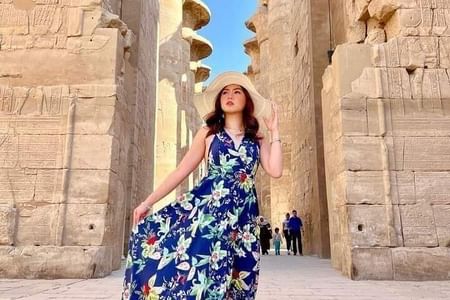
"After breakfast, you will head to Temple of Medinet Habu
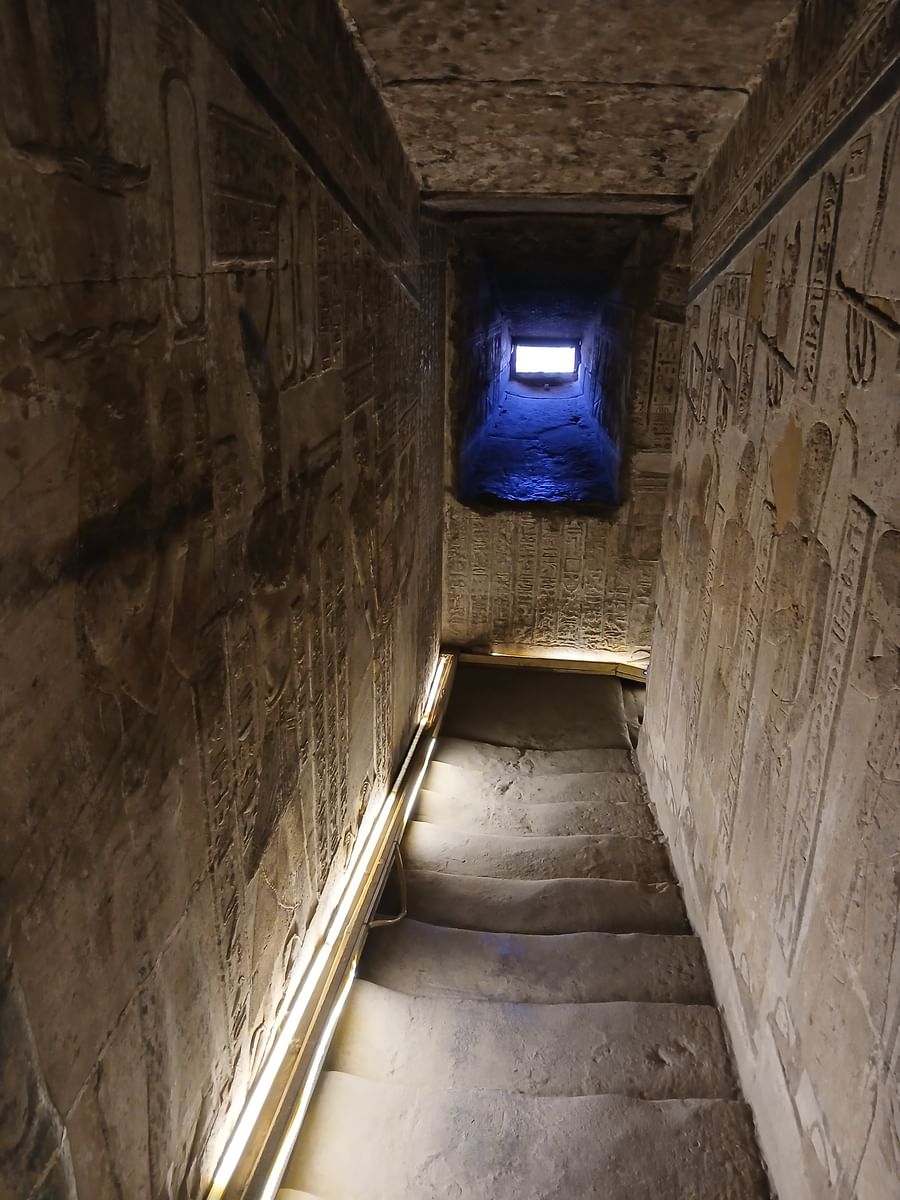
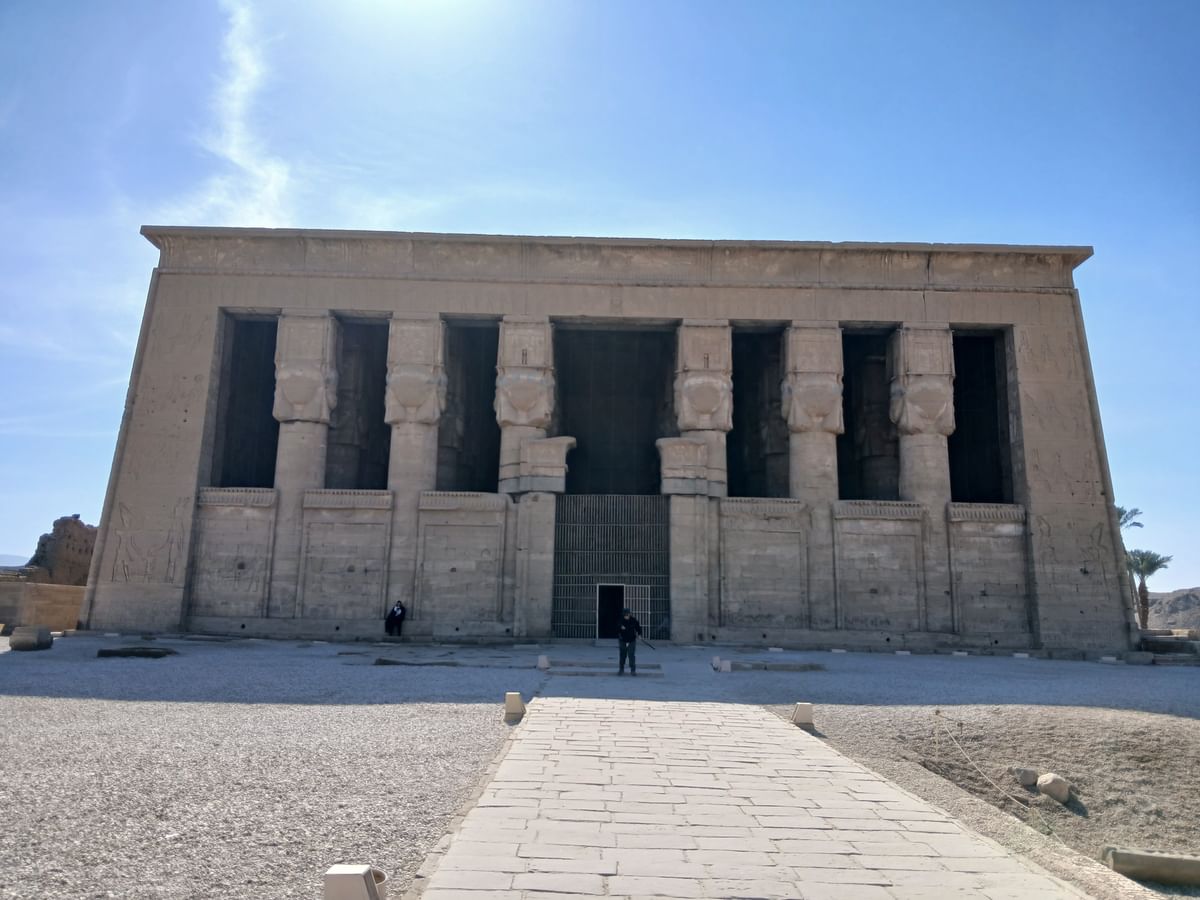
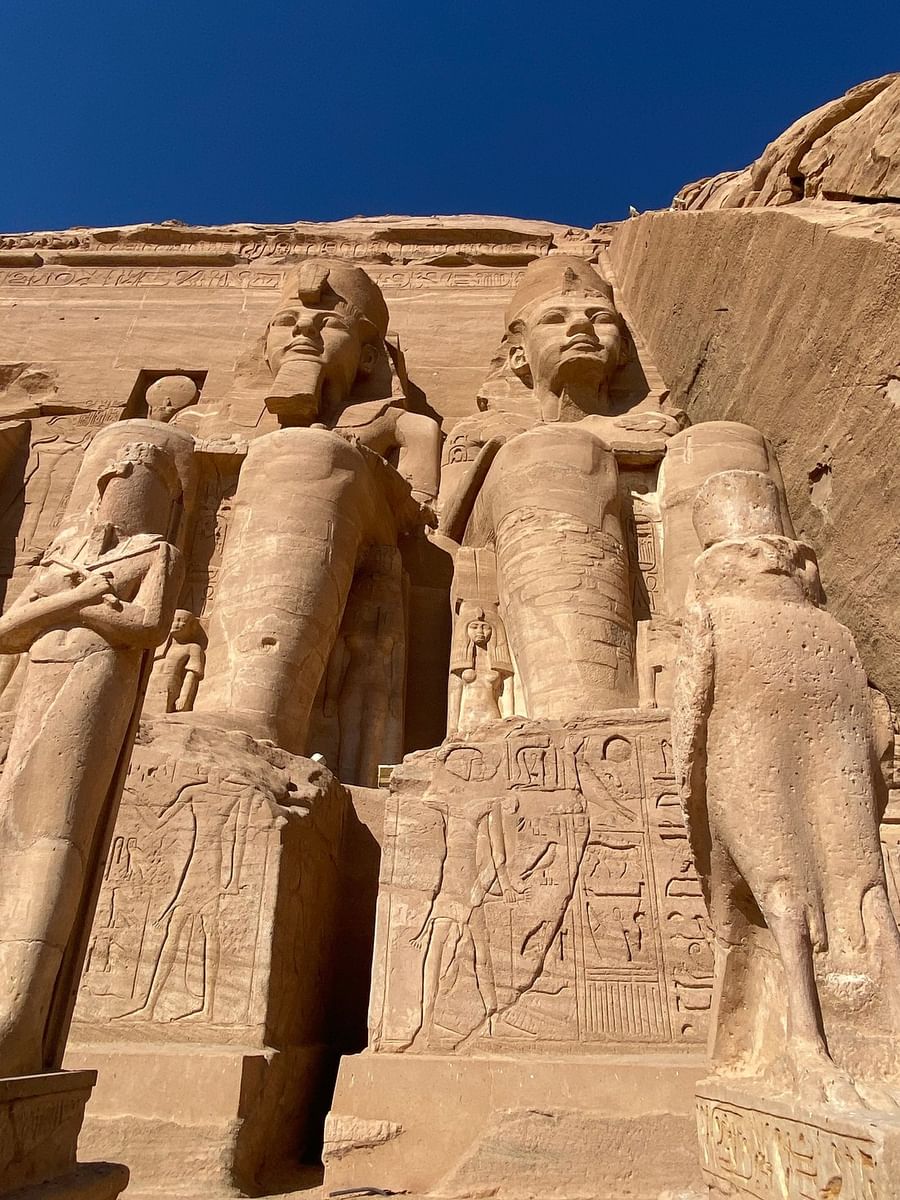
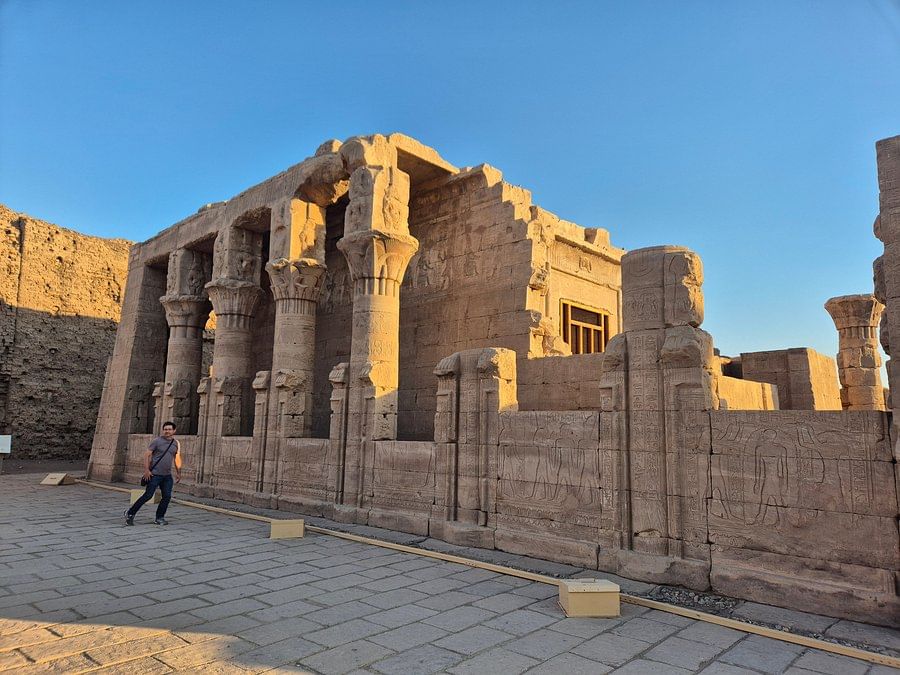
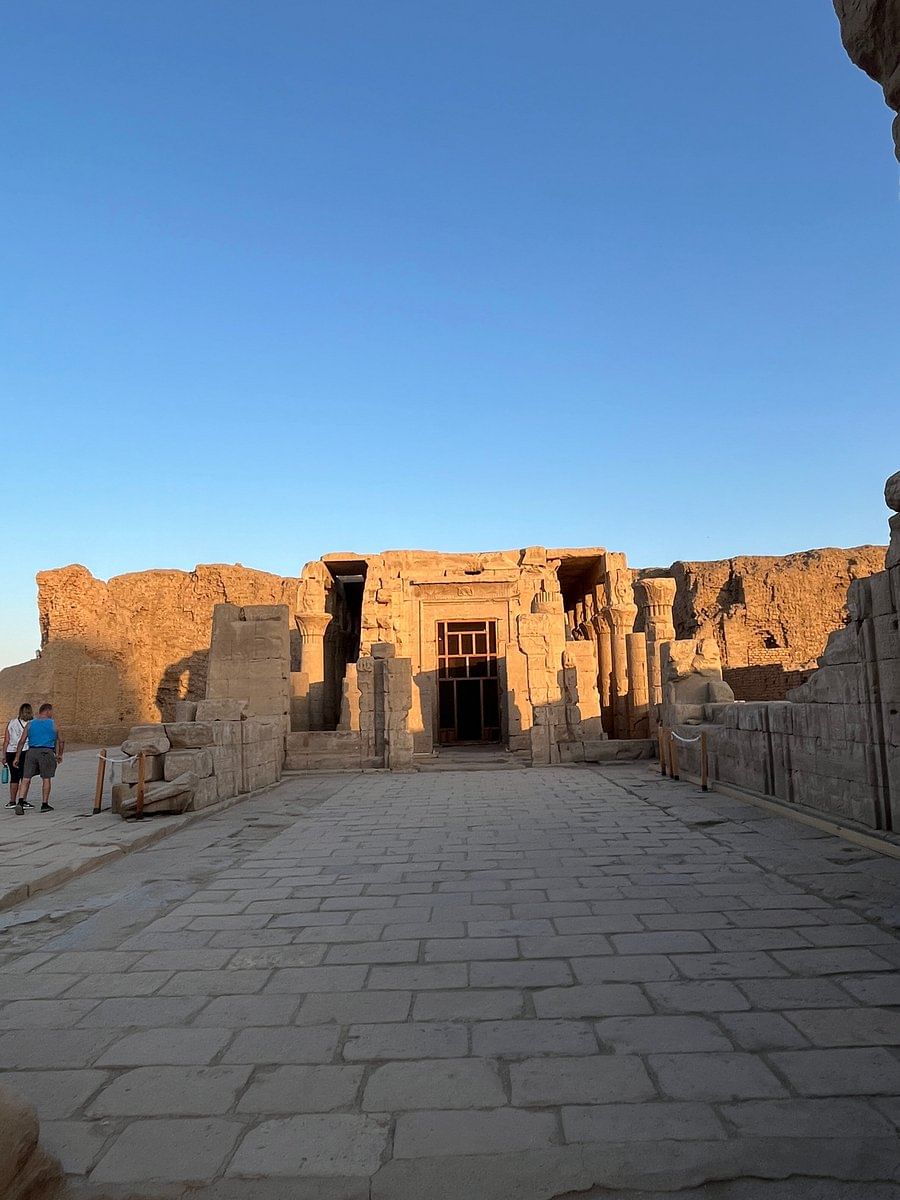
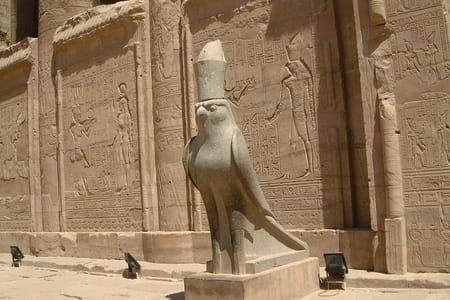
Nestled on the western bank of the Nile River, near the Valley of the Kings, the Temple of Medinet Habu stands as a monumental testament to the grandeur and legacy of Ramses III, one of Egypt's most powerful pharaohs. This stunning temple, with its towering walls and intricate carvings, exudes the majesty of ancient Egyptian architecture, making it one of the most impressive and well-preserved religious sites of the New Kingdom. Medinet Habu, originally dedicated to the god Amun-Ra, serves as a sacred sanctuary where the pharaoh’s divine rule was celebrated, and the gods were honored through elaborate rituals and grand processions.
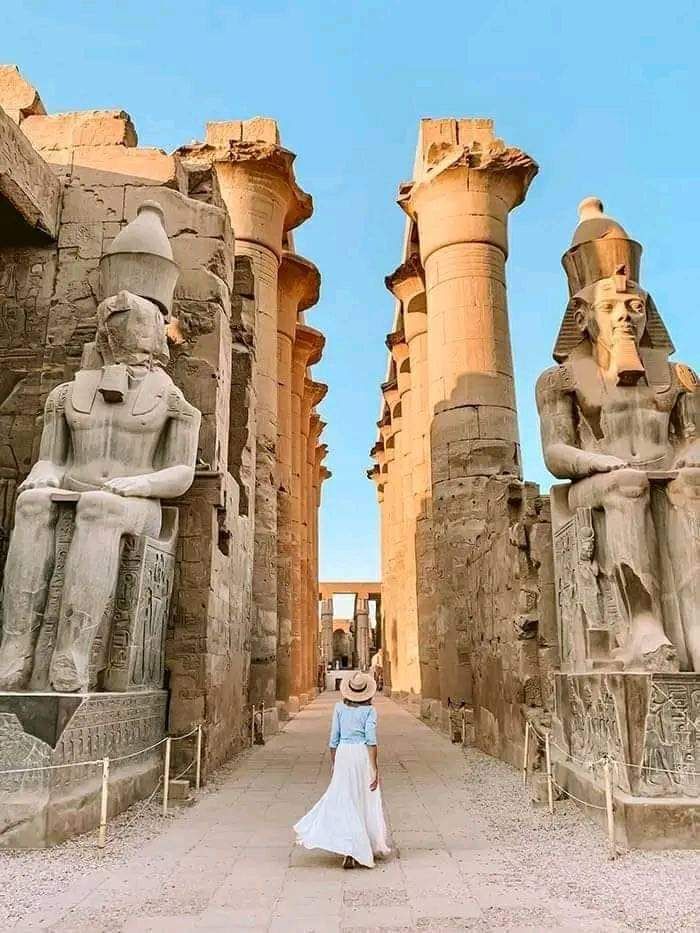
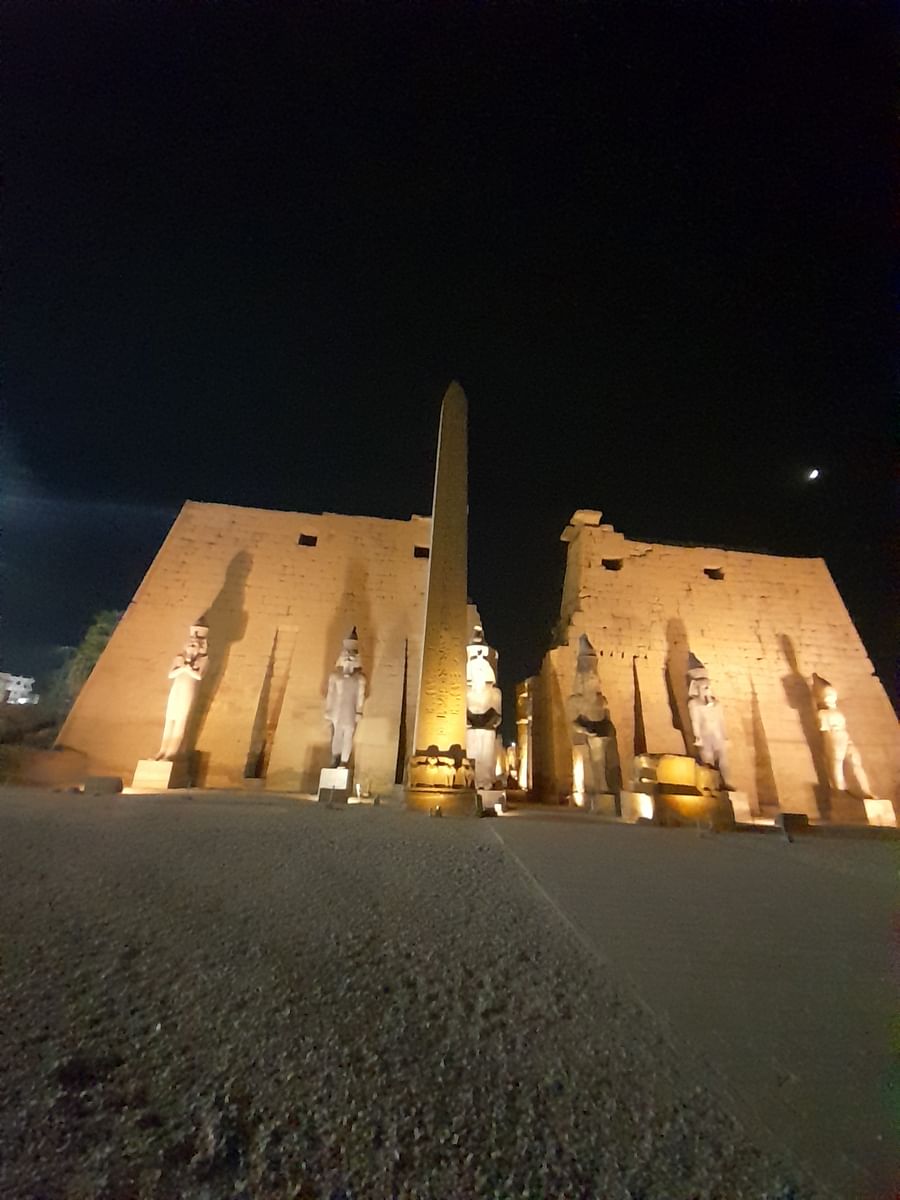
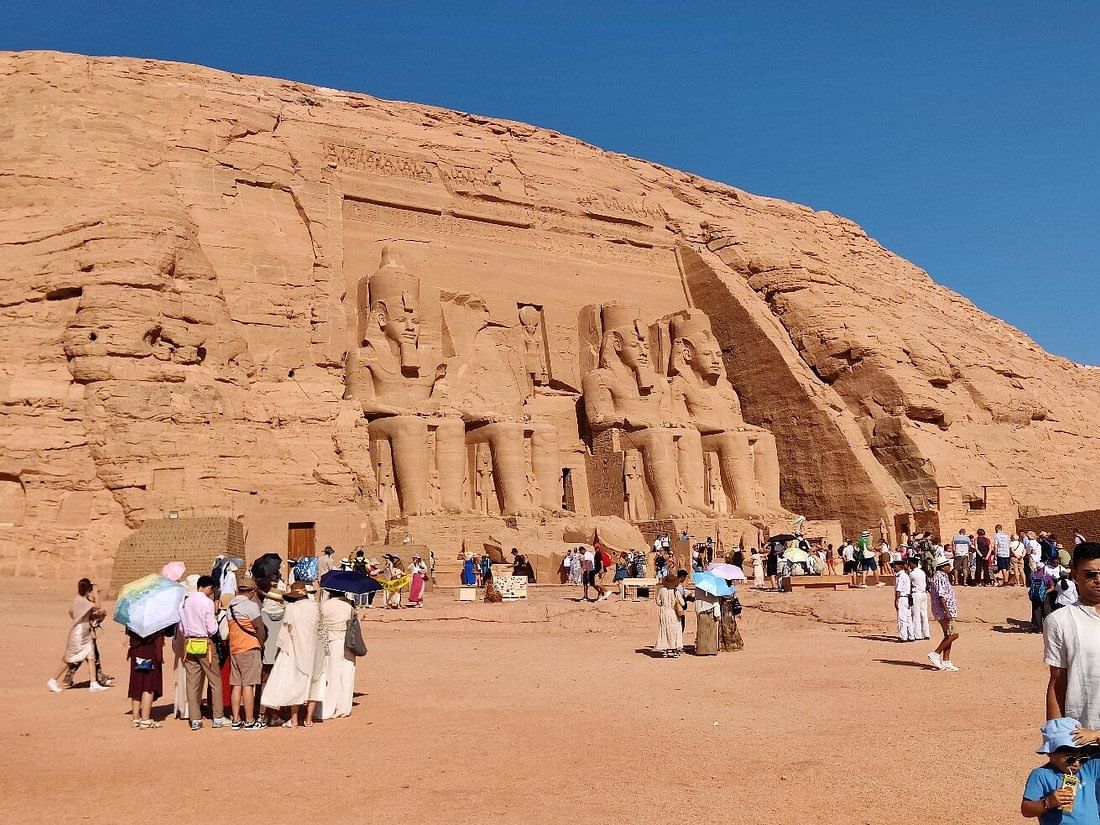
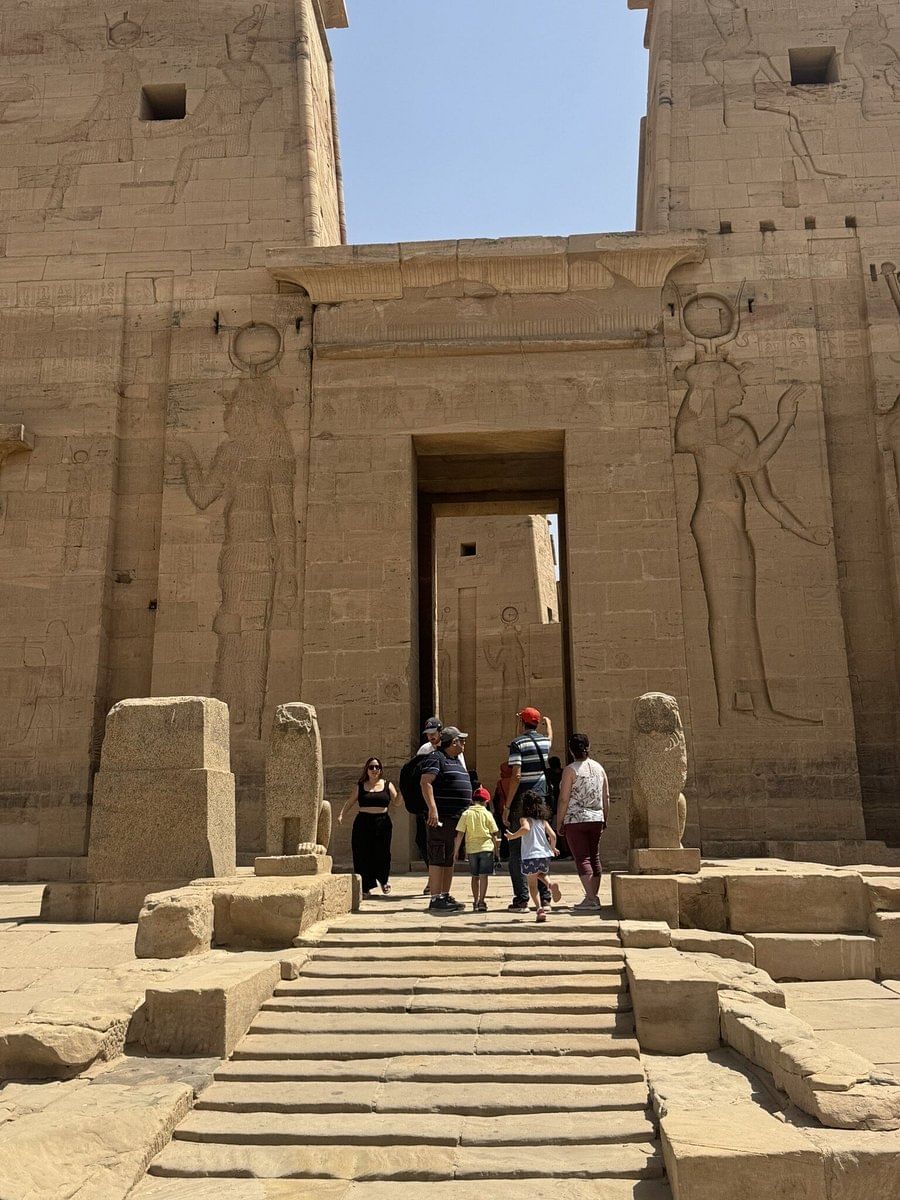
As you approach the temple, the enormous pylons stand before you, their sheer scale dominating the horizon and creating an overwhelming sense of awe. These towering gateways, once adorned with vivid reliefs, depict Ramses III in victorious battle scenes, where he is seen crushing his enemies—an iconic image that not only celebrates his military achievements but reinforces his role as Egypt’s divine protector. These pylons create a powerful visual impression, setting the tone for the immense scale and significance of the entire temple complex.
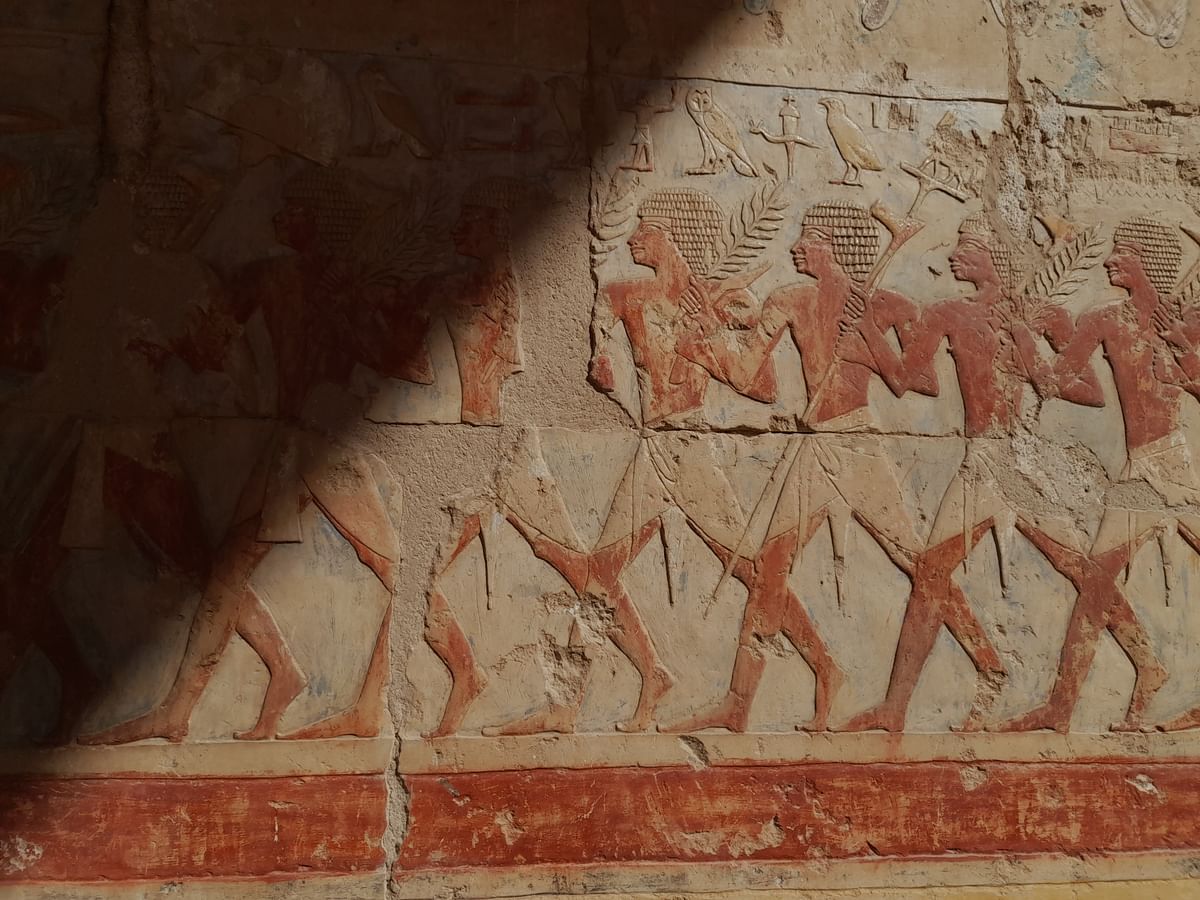
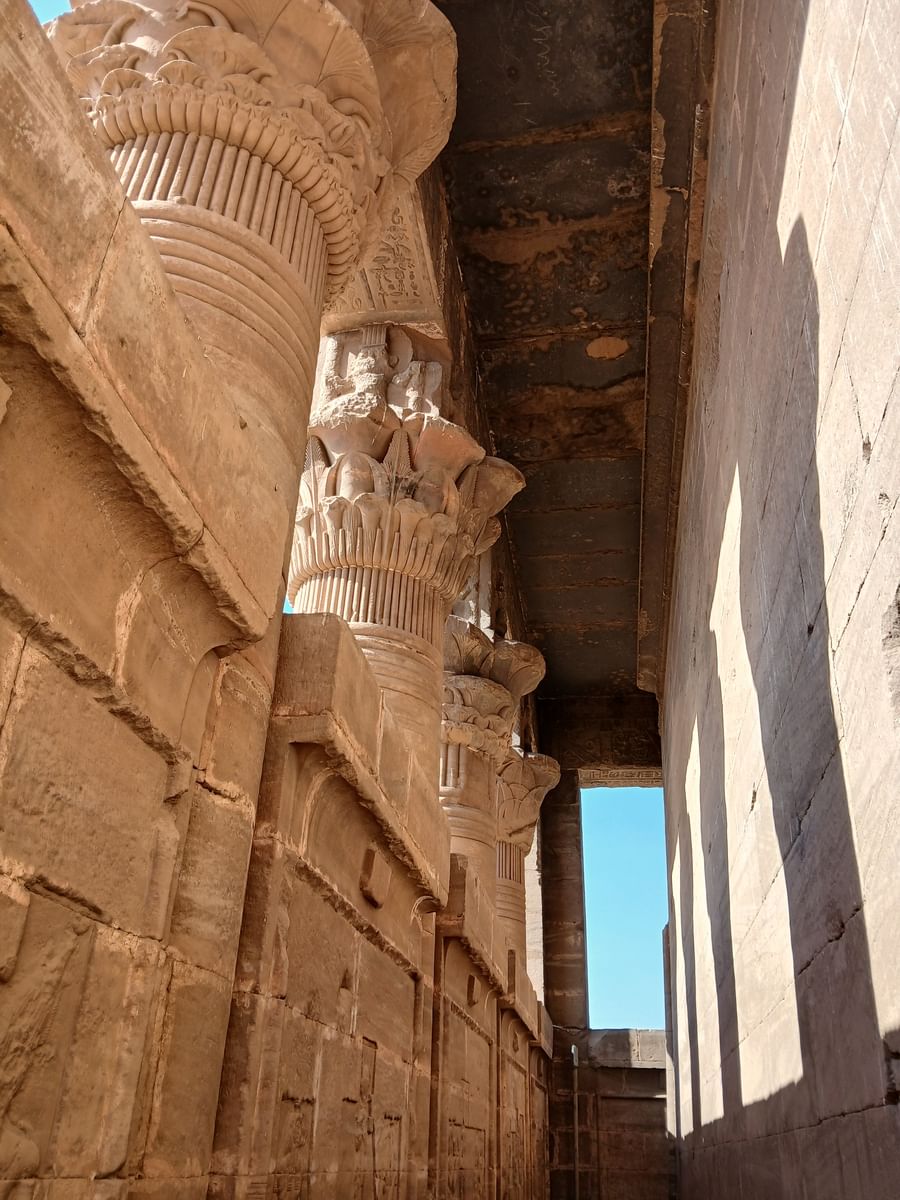
Passing through the pylons, you enter the great forecourt, where massive columns and intricately detailed reliefs await. The walls of the temple are decorated with depictions of Ramses III’s military triumphs, particularly the famous Battle of the Sea Peoples, a dramatic encounter that secured Egypt’s power and prosperity. The reliefs vividly illustrate the pharaoh leading his troops to victory against foreign invaders, underscoring his role as a mighty warrior king. These scenes of battle and victory are not only works of art but also divine declarations of Ramses III's strength and his protection over Egypt.
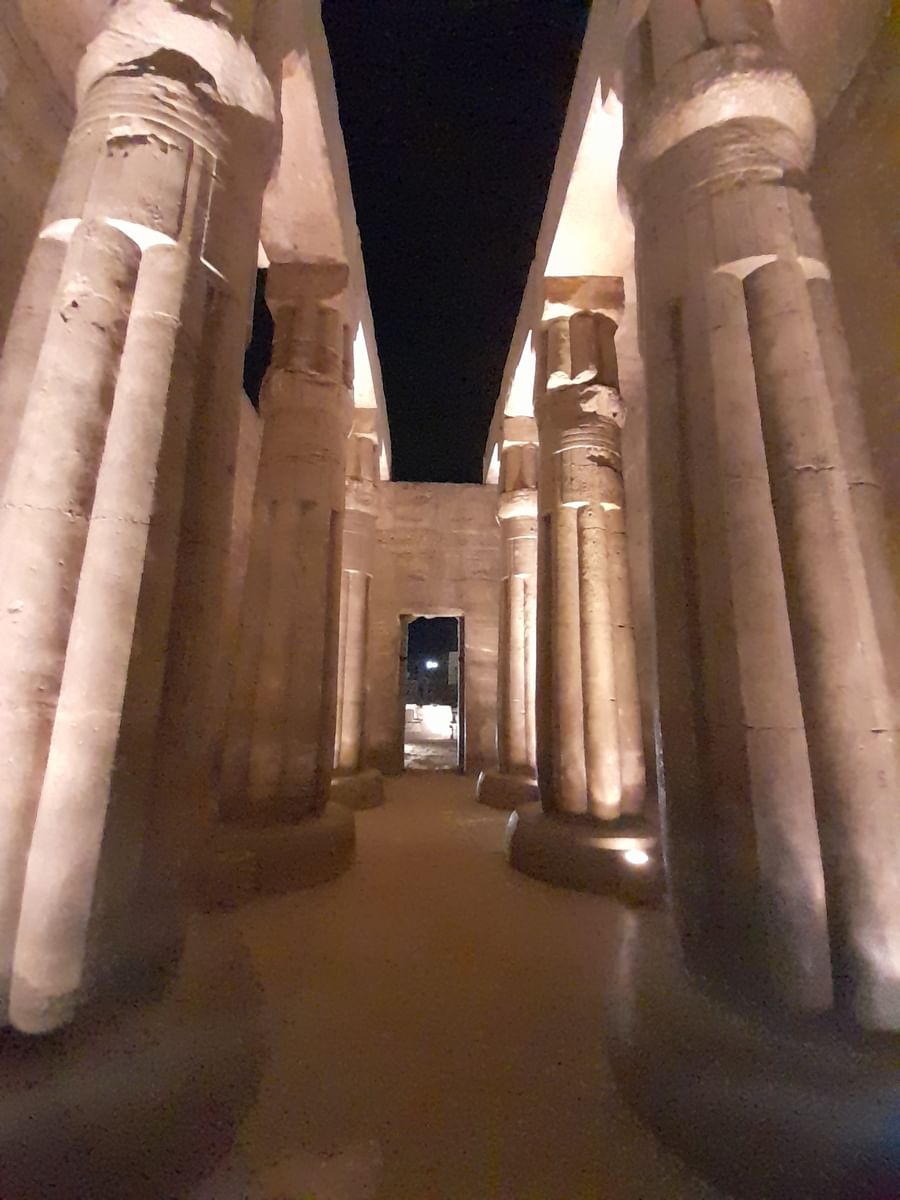
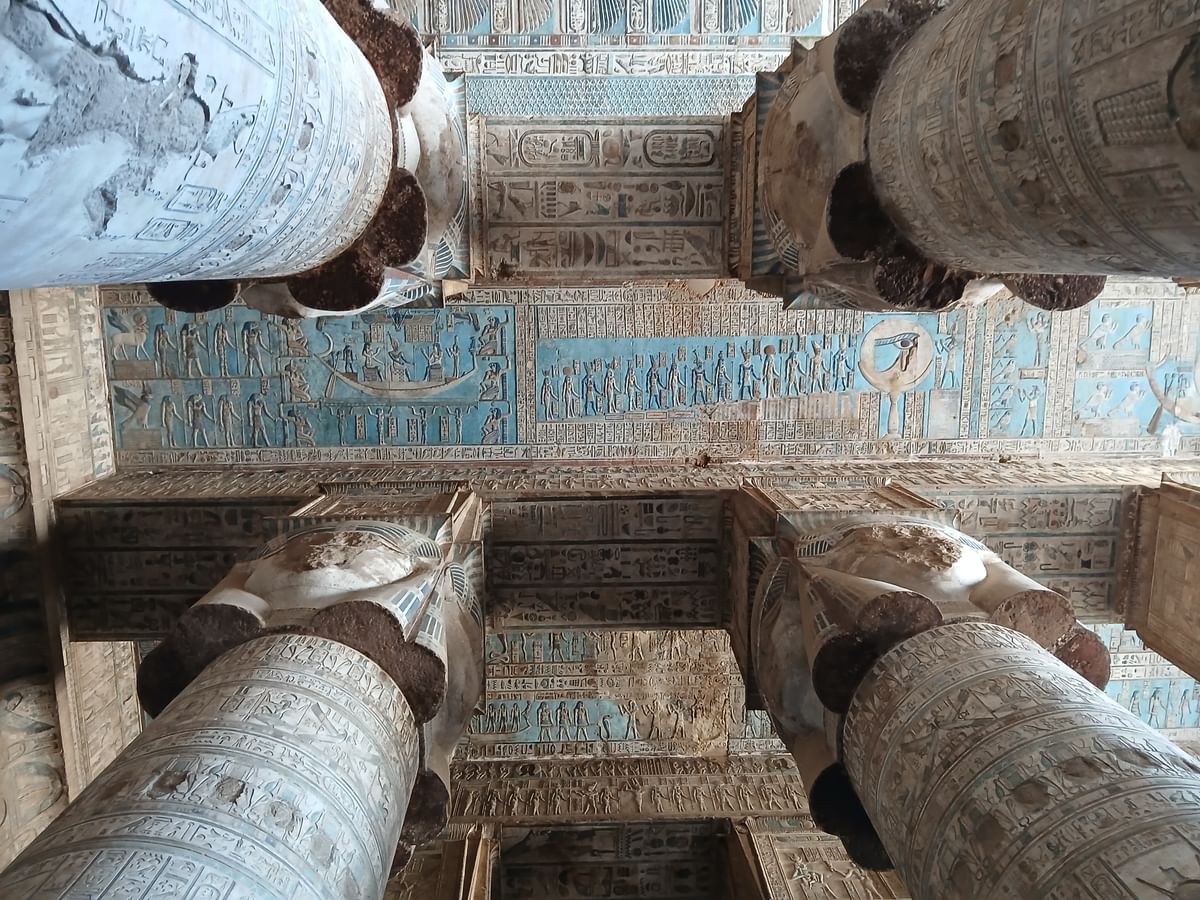
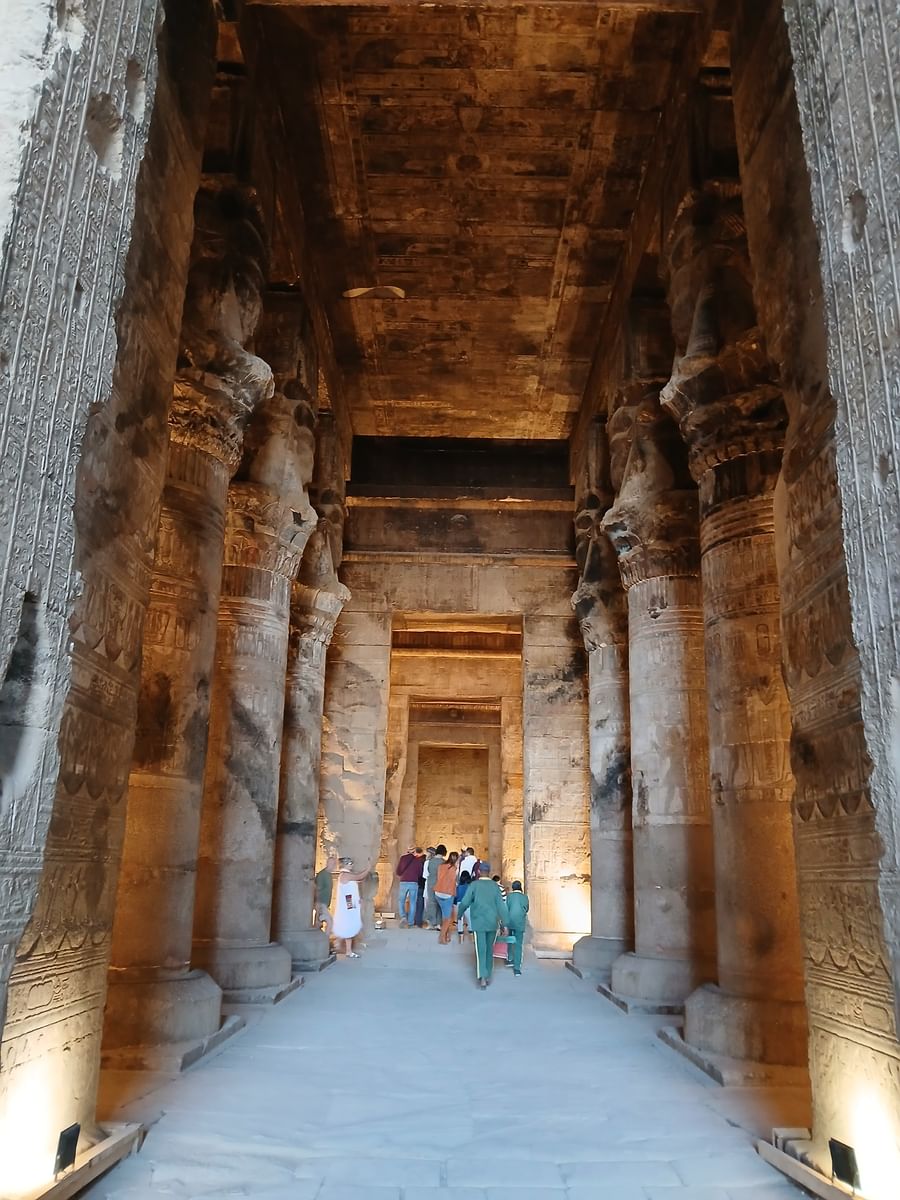
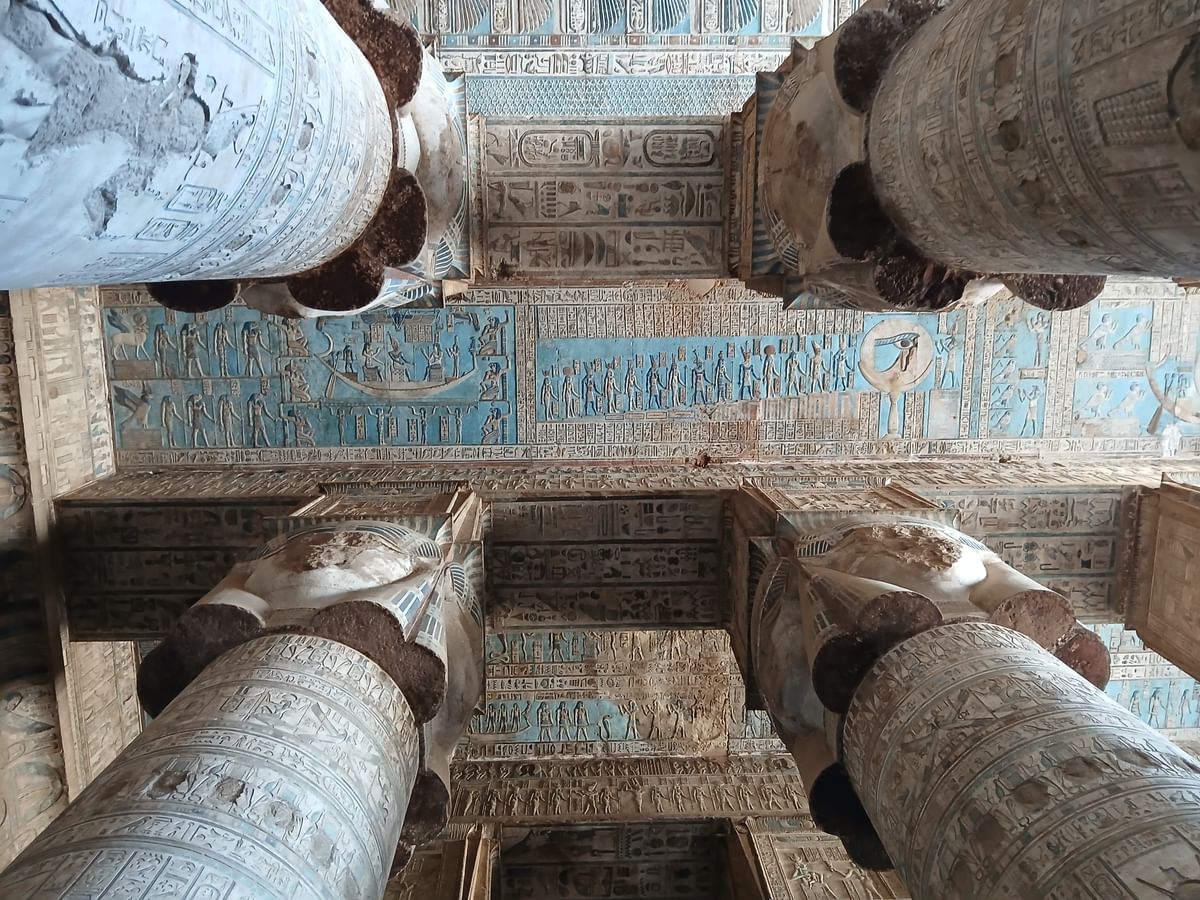
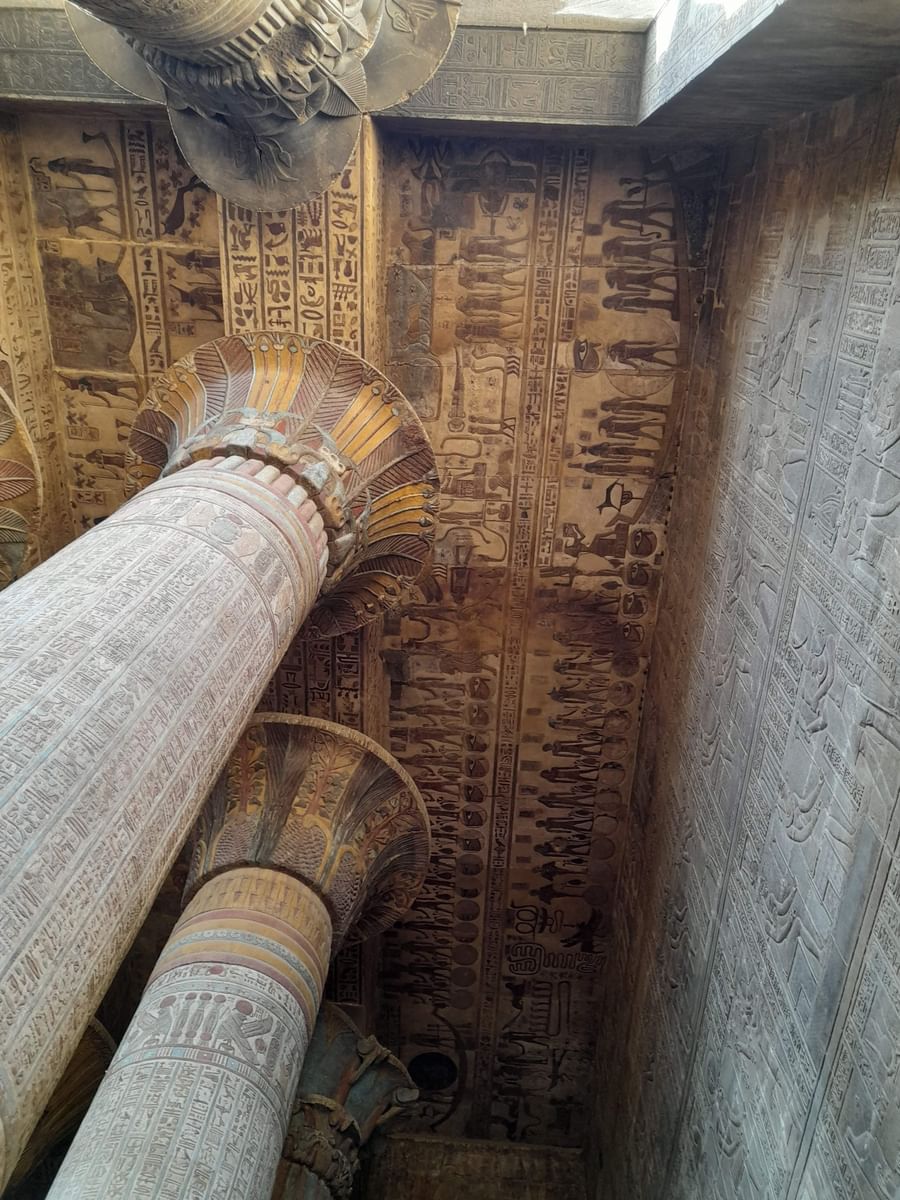
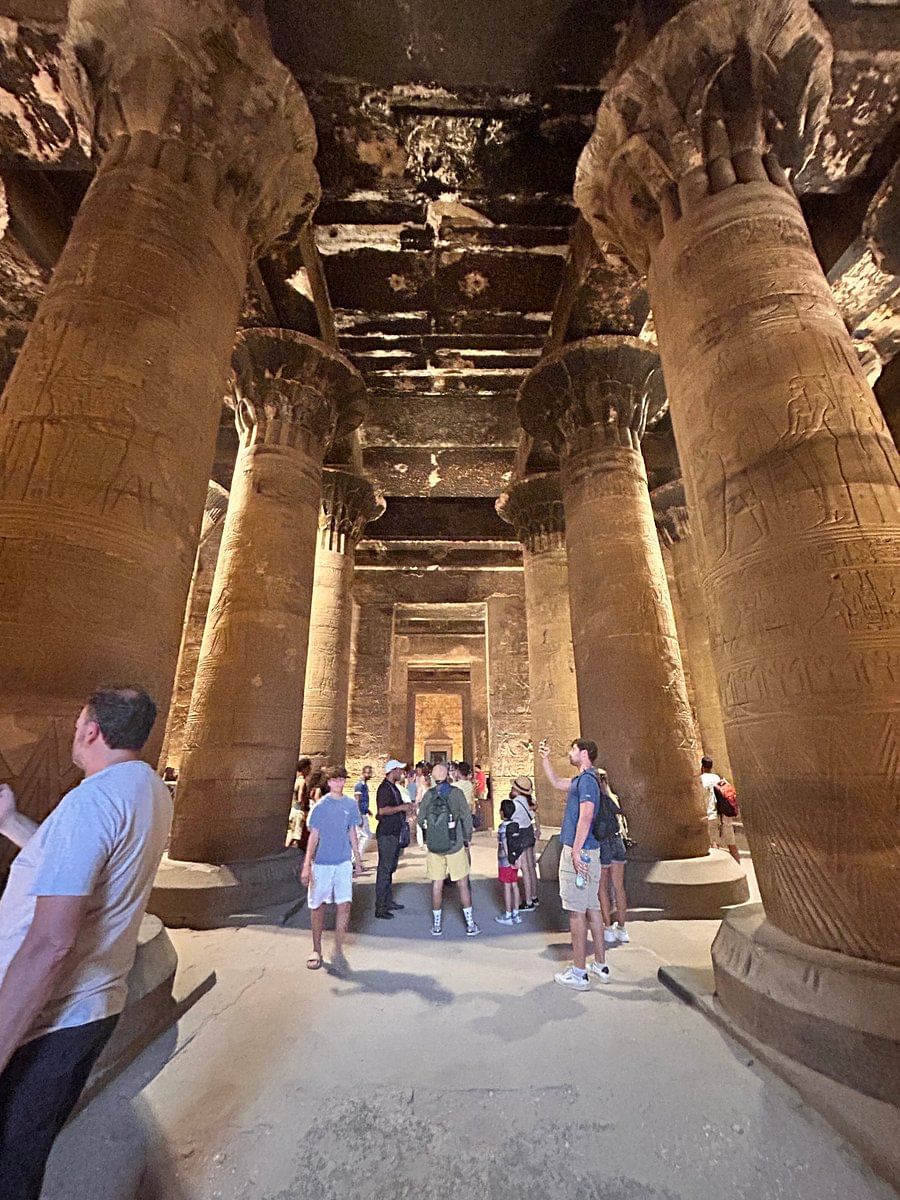
Moving deeper into the temple, you find yourself in the Hypostyle Hall, where massive columns adorned with images of gods and pharaohs create an atmosphere of divine presence. The columns support a roof that seems to stretch toward the heavens, drawing the eyes upward and emphasizing the connection between the earthly and divine realms. The reliefs here depict the pharaoh offering sacrifices to the gods, a reminder that the ruler’s power is sustained by the favor and blessings of the gods.
The temple’s sanctuary is one of its most sacred spaces. In this inner chamber, where only the pharaohs and high priests were permitted, the statue of Amun-Ra once resided, symbolizing the god’s protection over Egypt. The sanctuary, like the rest of the temple, is adorned with magnificent reliefs of the pharaoh’s rituals and divine interactions, creating a space where the king could commune with the gods and reaffirm his divine right to rule.
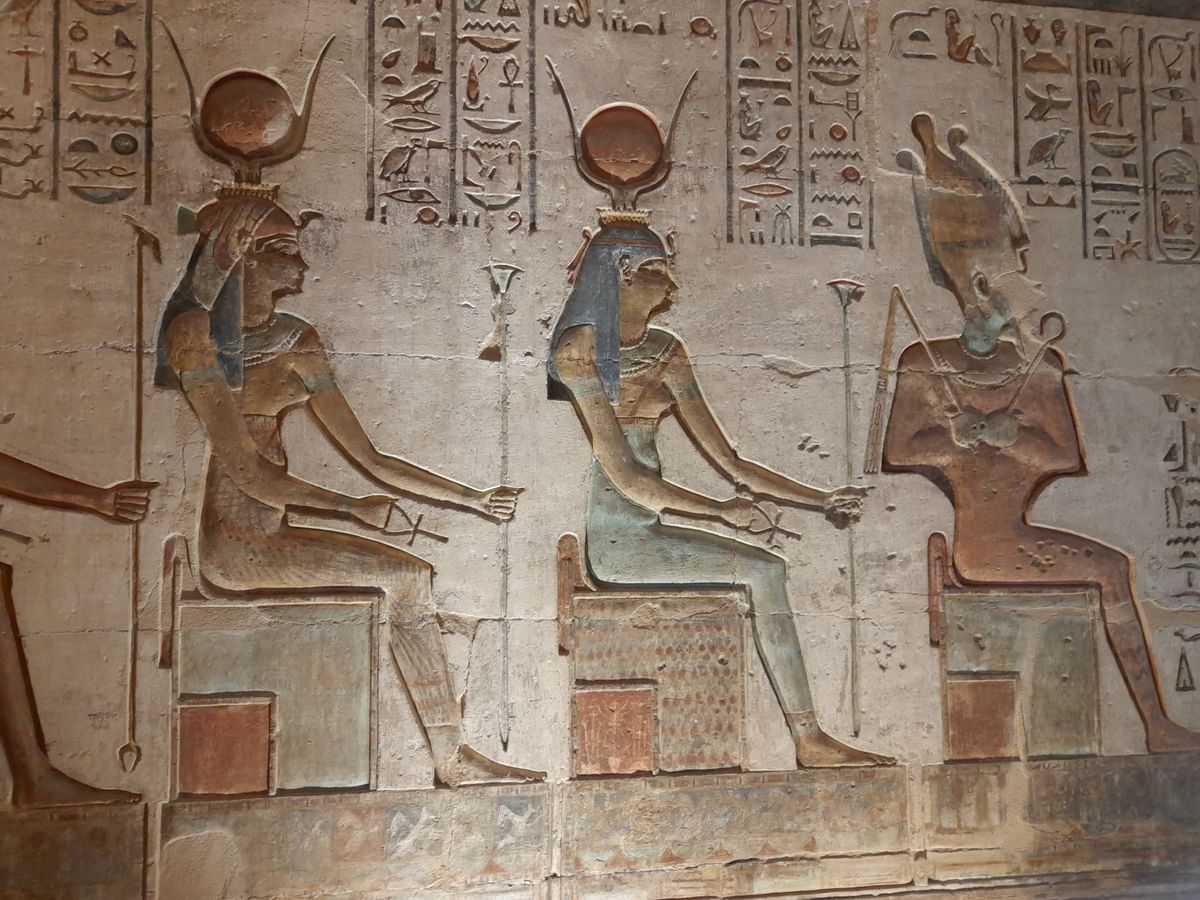
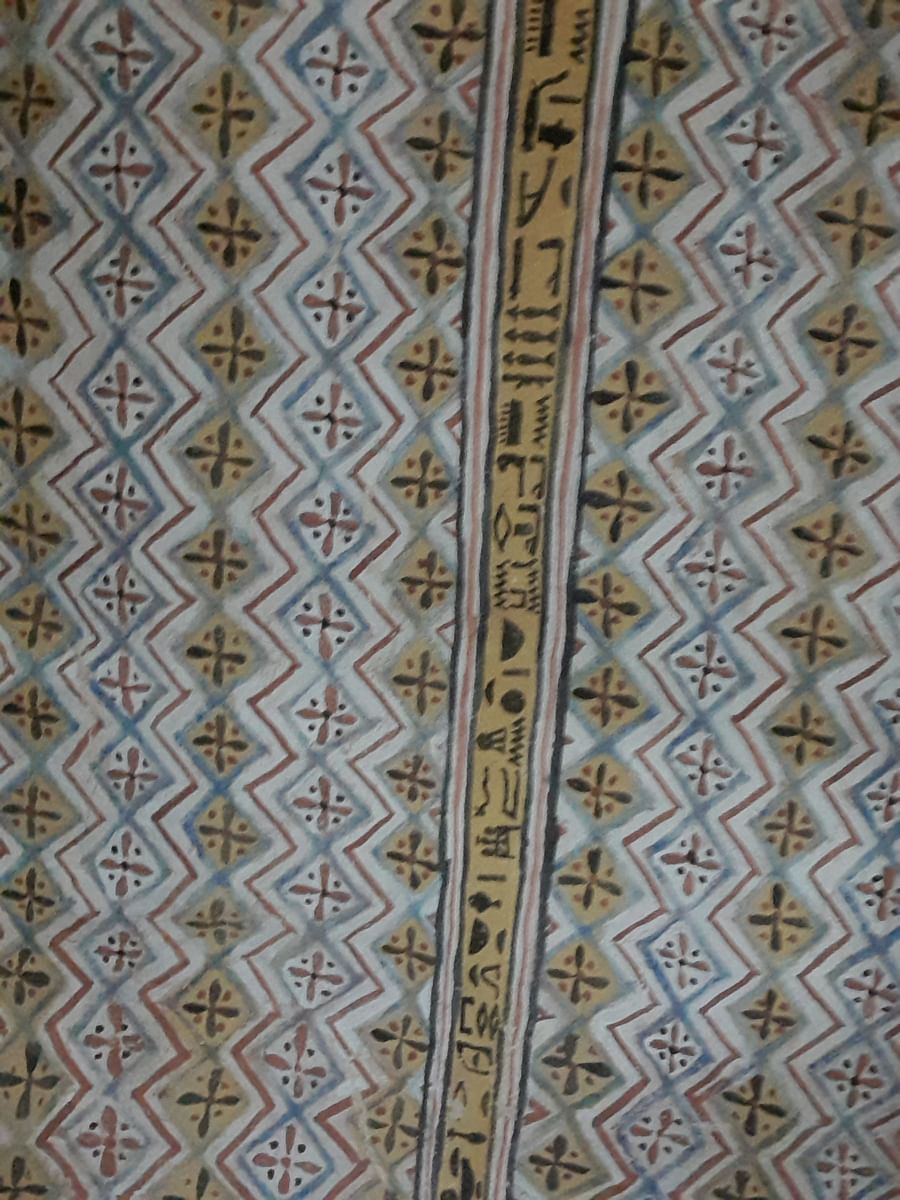
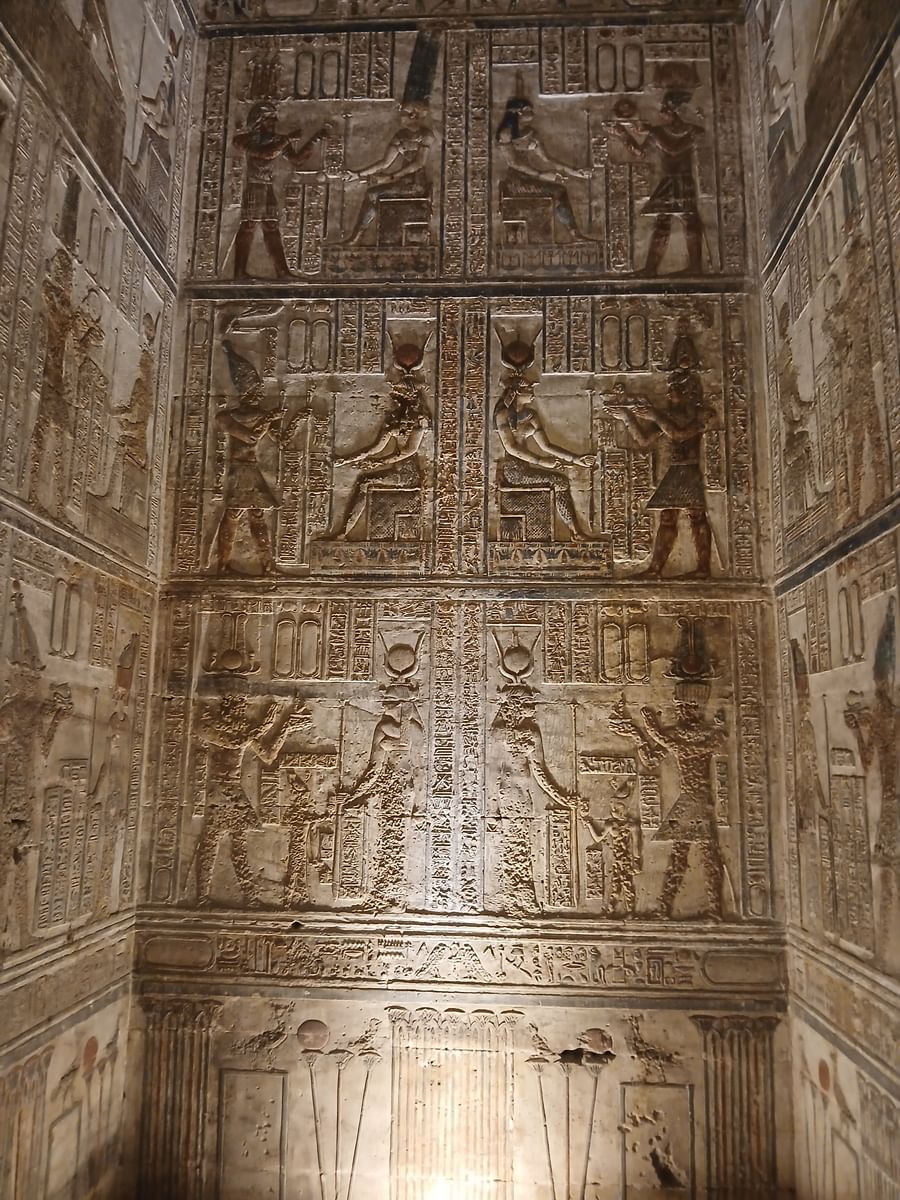
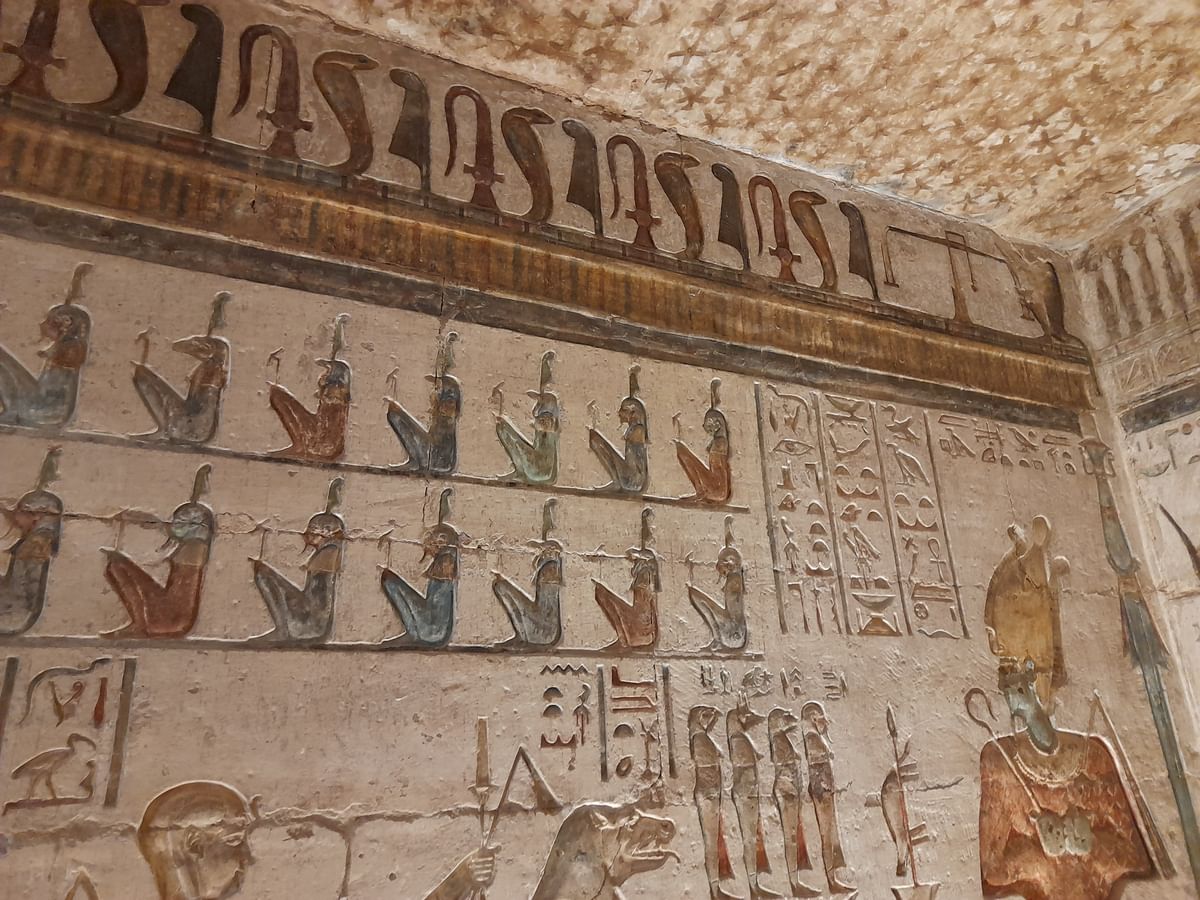
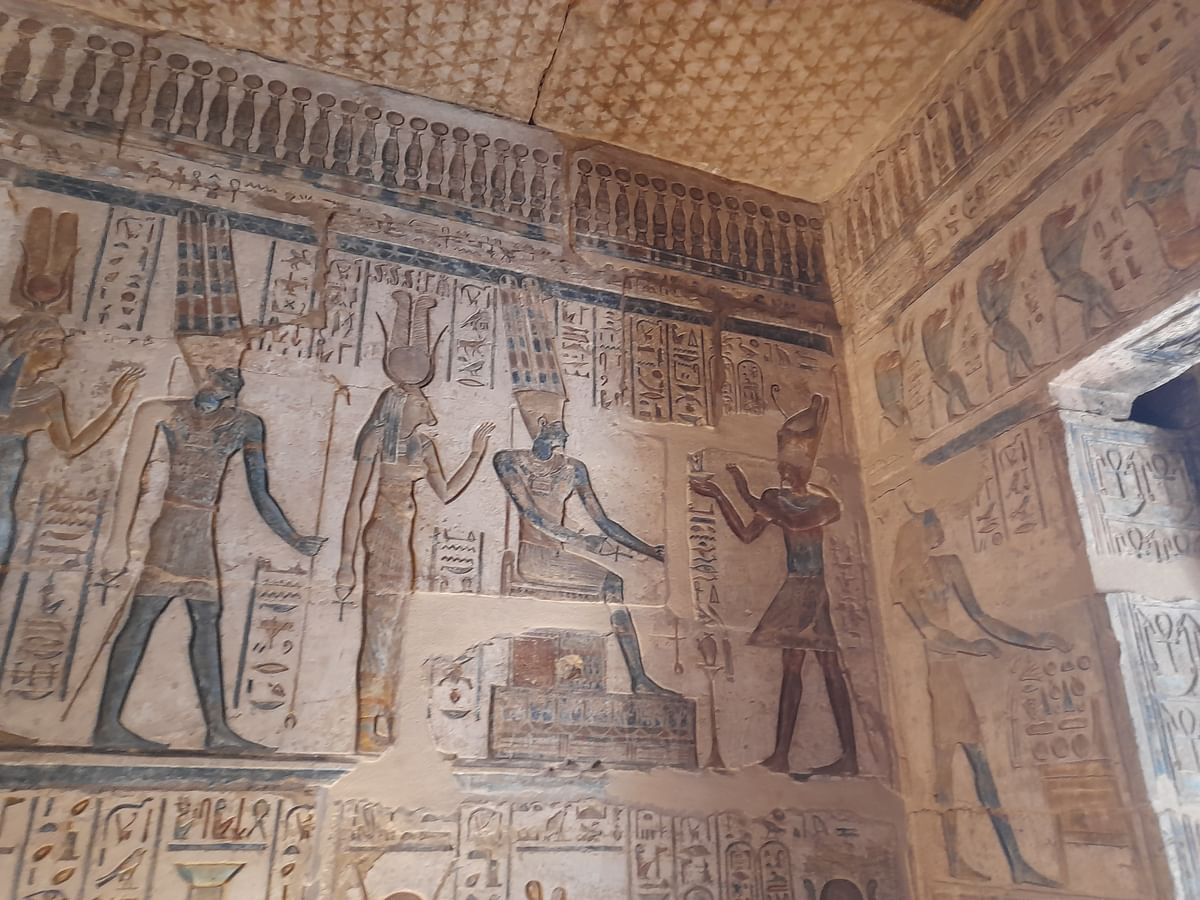
One of the most captivating aspects of Medinet Habu is the colorful and detailed reliefs that cover the walls of the temple, telling stories not just of military victories, but of religious rites, royal offerings, and the pharaoh’s relationship with the gods. These reliefs are beautifully preserved, their vibrant colors still visible, and they offer a glimpse into the spiritual and political life of ancient Egypt. The scenes are carefully composed, showing the pharaoh’s acts of devotion, his relationship with the gods, and his role as the divine protector of his people.
In addition to its religious significance, Medinet Habu also served as a fortress during times of crisis. The temple complex was surrounded by high walls and defensive structures, which allowed it to serve as a stronghold in the event of invasion. This dual purpose—both as a religious site and a military stronghold—adds to the temple’s unique significance, as it embodies both the divine and the practical aspects of Egyptian life.
The temple is also renowned for its well-preserved state, offering visitors a chance to experience one of Egypt’s ancient wonders in its full glory. The colors on the walls, the grand columns, and the massive pylons give the site a timeless beauty, and as you walk through its halls, you can almost feel the weight of history and divinity pressing in around you.
Medinet Habu’s isolated location on the western bank of the Nile, near the famous Valley of the Kings, enhances its mystique and adds to its spiritual significance. The surrounding landscape of desert sands and ancient tombs creates a powerful sense of connection to Egypt’s past, as if the temple is a portal into a world where the gods walked among kings and pharaohs, where eternal protection was granted, and where the king’s power was forever bound to the divine.
The Temple of Medinet Habu is not just an archaeological site, but a living testament to the power of the pharaohs, the strength of the gods, and the enduring legacy of Egypt’s ancient civilization. Standing within its walls, surrounded by the echoes of time, you are transported back to an era when gods and kings ruled the land, and the fate of Egypt rested on the shoulders of its mighty rulers.
"After visiting Medinet Habu, you will head to the Valley of the Queens, where you can explore the beautifully decorated tombs of royal family members, including the famous tomb of Queen Nefertari."
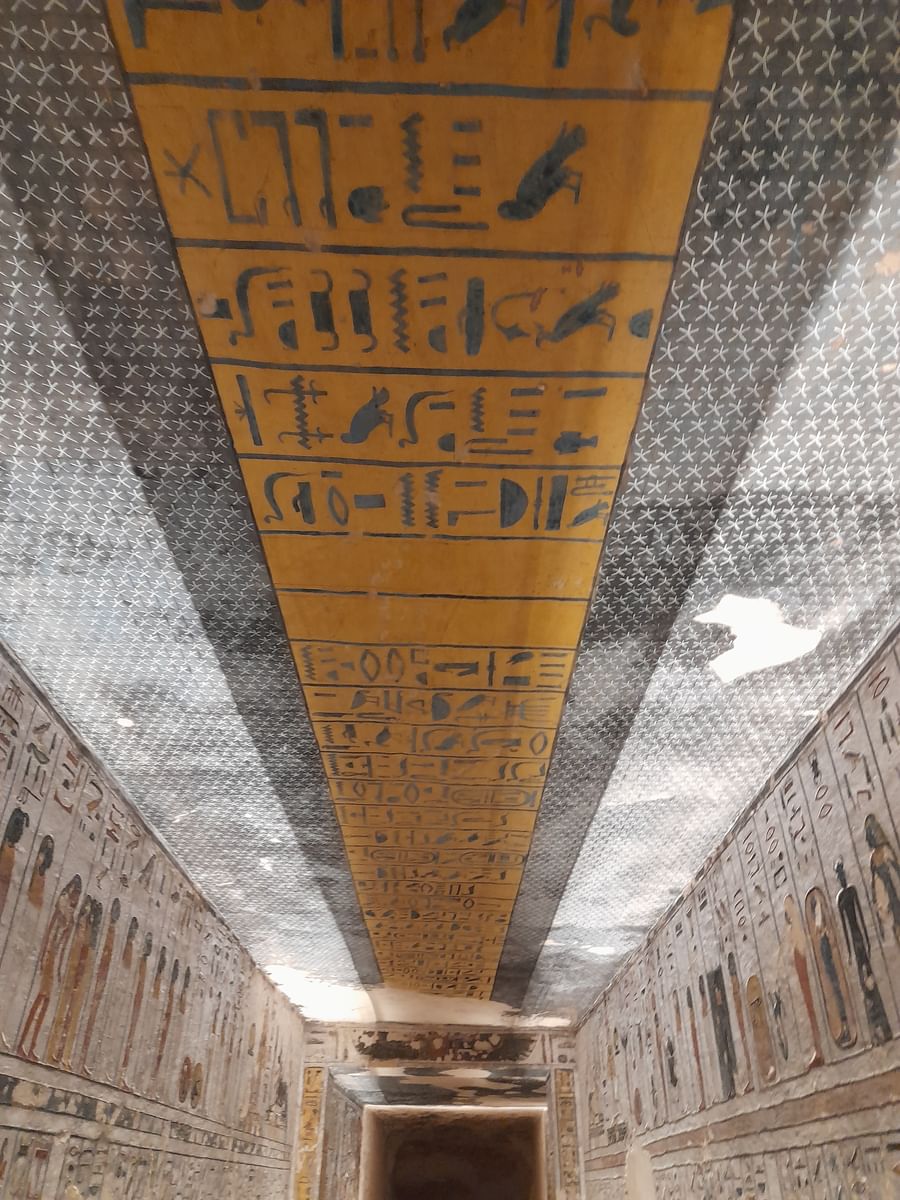
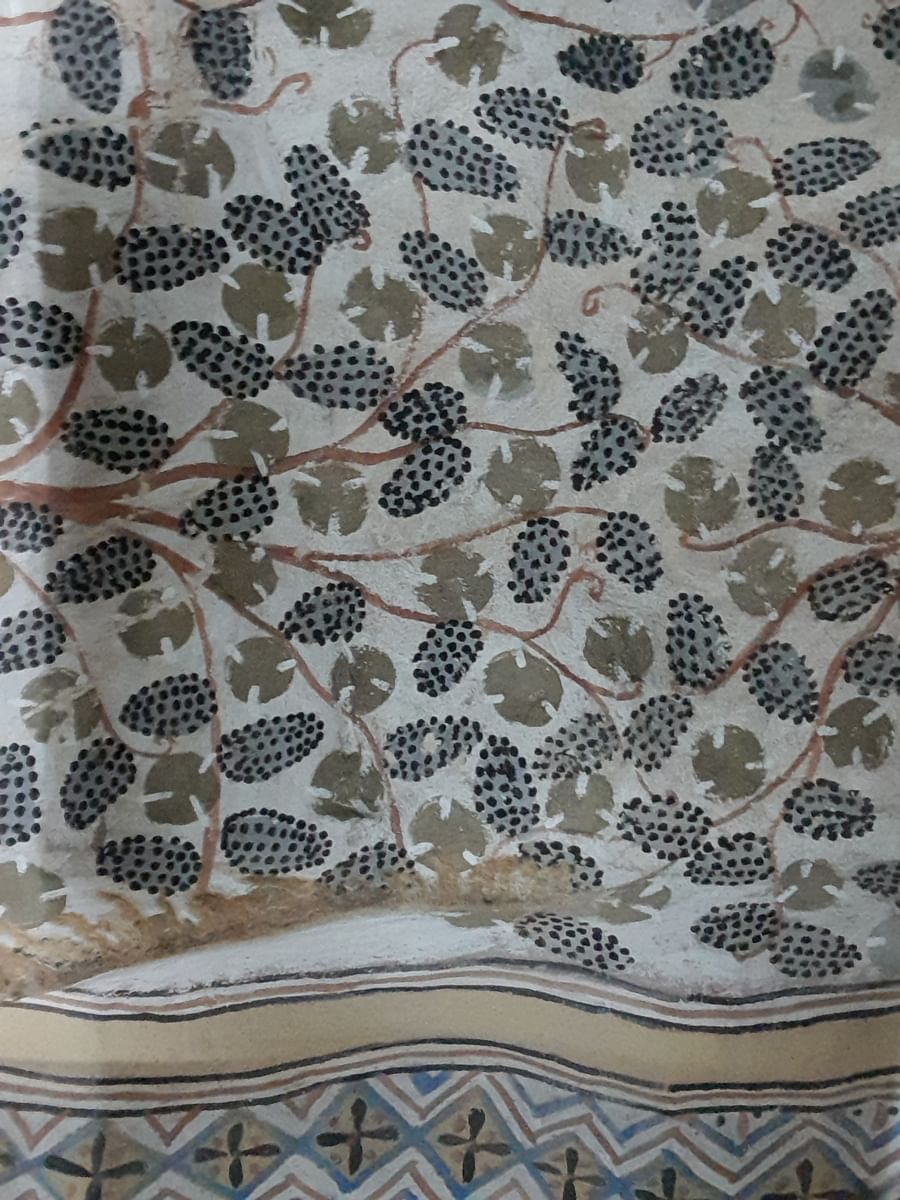
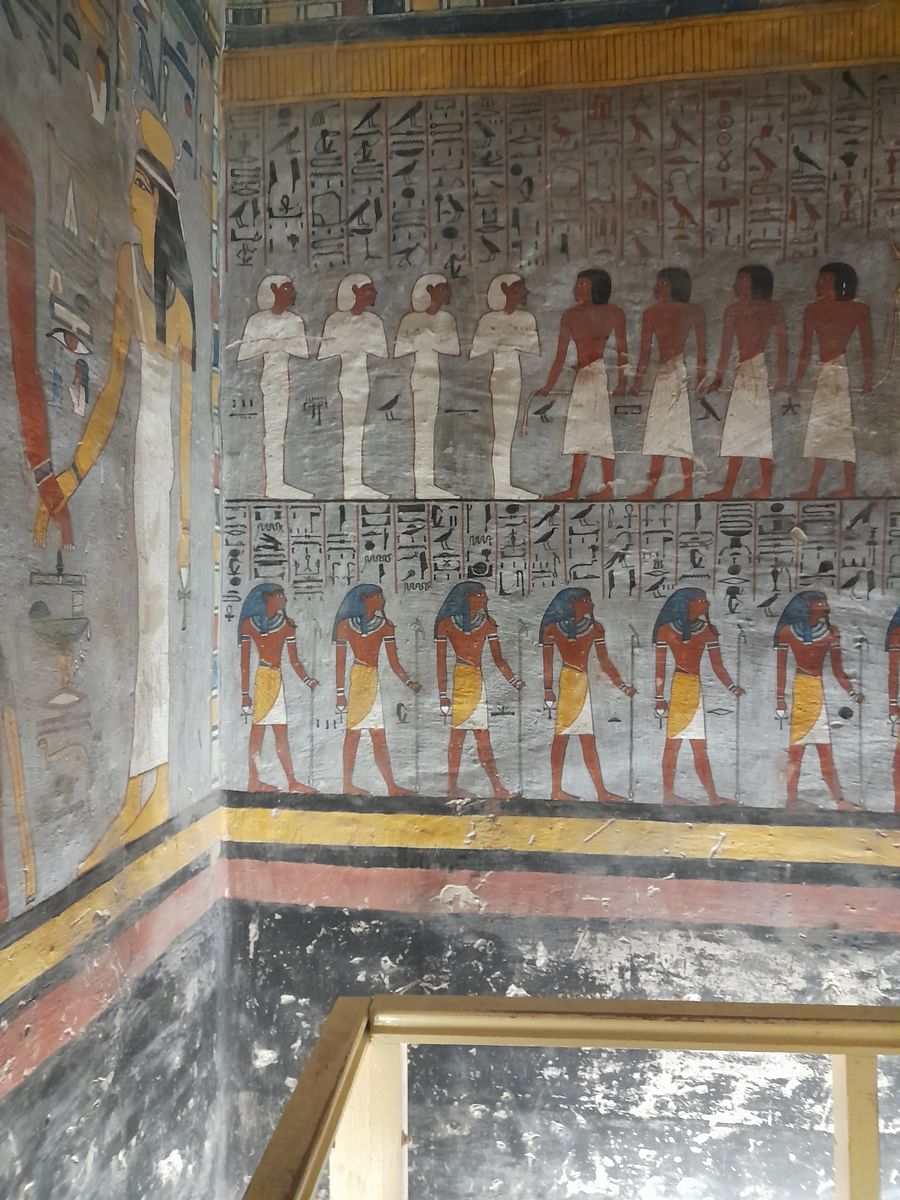
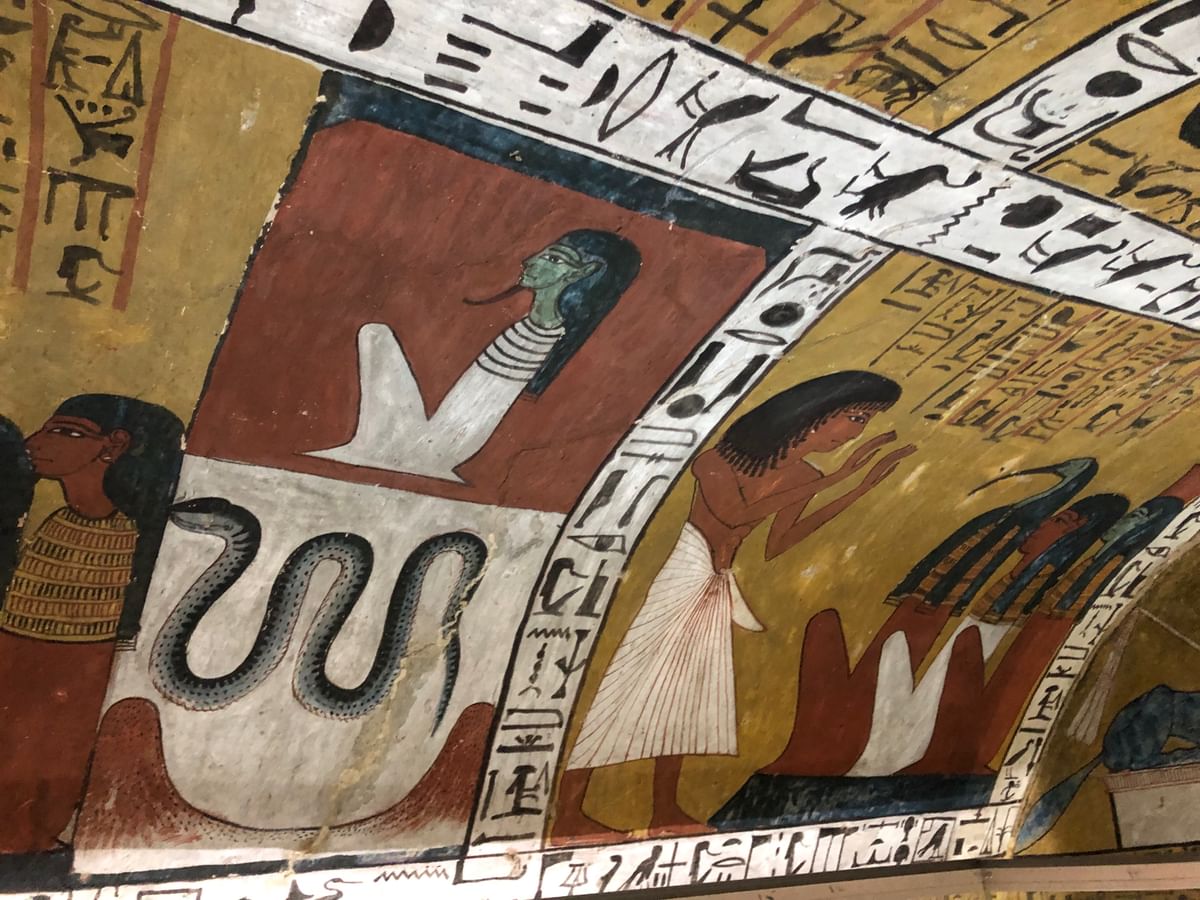
The Valley of the Queens, located on the West Bank of the Nile, is a burial site for the wives and children of pharaohs, and it is home to some of the most exquisite tombs in Egypt. The tombs are known for their vivid and detailed frescoes, depicting scenes from Egyptian mythology and the afterlife
"After visiting the Valley of the Queens, you will head to Deir el-Medina,
Nestled on the western bank of the Nile River, near the Valley of the Kings, lies the extraordinary Deir el-Medina, an ancient village that once housed the skilled artisans and workers responsible for building the royal tombs in the nearby Valley of the Kings and Valley of the Queens. This fascinating site provides a rare and intimate glimpse into the lives of Egypt’s elite craftsmen, who, while living on the edge of the desert, were directly linked to the sacred task of preparing the pharaohs for the afterlife.
Deir el-Medina, often referred to as the Village of the Workers, offers an unparalleled view into the daily lives of Egypt’s most skilled artisans. Unlike the grand tombs of the pharaohs, the village was home to those who crafted and decorated the tombs, creating elaborate reliefs, paintings, and sacred symbols that would guide the kings into the afterlife. These workers, known as the “servants in the place of truth”, were given a privileged status in society, living near the tombs they helped build and enjoying benefits that set them apart from other laborers in ancient Egypt.
Walking through the ruins of Deir el-Medina, you encounter the remains of small, well-planned houses that were once the homes of these artisans. The houses are modestly sized, yet their layout reveals a sense of organization and comfort, with rooms dedicated to family life, work, and rituals. The village was an active, vibrant community, and it’s easy to imagine the hum of daily life as the workers lived, ate, and created masterpieces of art and craftsmanship, all in the shadow of the royal tombs they were building.
The walls of these houses are adorned with vivid frescoes and intricate carvings, offering insights into the daily routines, religious practices, and personal lives of the workers. These artistic depictions are not only beautiful but offer a snapshot of everyday life in ancient Egypt, from family scenes to religious ceremonies, and even humorous depictions of the workers’ interactions with the gods. The houses also feature references to the workers’ devotion to the gods, particularly Horus, Osiris, and Amun, whose protection they sought to ensure their work would be successful.
One of the most remarkable aspects of Deir el-Medina is its temple complex, dedicated to Ptah, the god of craftsmanship and creation. The workers here, as masters of their craft, revered Ptah and sought his blessings for the intricate work they carried out in the royal tombs. The remains of the temple of Ptah offer a glimpse into the religious life of the artisans, showcasing their spiritual devotion to the gods who watched over their work. The temple’s remains are modest, yet they are filled with beautiful reliefs that depict scenes of the gods interacting with the workers, reinforcing the divine protection they sought while creating tombs for the kings.
Deir el-Medina is also home to a number of tombs belonging to the workers themselves. These tombs, unlike the grand pyramids of the pharaohs, are more humble but still filled with vivid paintings and inscriptions that reflect the workers' own hopes for the afterlife. These tombs often depict scenes of the workers’ families, their daily lives, and their spiritual beliefs, offering a rare insight into the personal lives of the people who built the grand tombs of Egypt’s kings.
Among the most significant discoveries at Deir el-Medina are the ostraca (pottery shards) and papyrus scrolls that have been found in the village. These written records give us a unique look into the lives of the workers, their social interactions, and their personal thoughts. Some of the ostraca are even humorous, with workers leaving notes about their grievances, complaints about their work conditions, and requests for more rations, offering a personal and human perspective on life in ancient Egypt. These written documents, along with the reliefs and artwork in the village, provide a rich historical record, shedding light on the life and times of these remarkable individuals.
The Deir el-Medina workers were not only skilled craftsmen; they were also deeply involved in the religious and spiritual practices of their time. Their artistic creations, particularly the tombs they built and decorated, were considered sacred acts of devotion, meant to ensure the pharaoh’s safe passage into the afterlife. The workers’ belief in life after death was deeply embedded in their daily lives, and they viewed their role in building the tombs as part of a larger cosmic order—a way to honor the gods and maintain the balance between life and death.
The temple complex, houses, tombs, and everyday objects of Deir el-Medina all speak to the devotion and creativity of the craftsmen who lived there. Despite their relatively humble status in Egyptian society, these artisans played a crucial role in preserving the majesty and spiritual power of the pharaohs, and their legacy is imprinted in the very walls of the tombs and temples they helped create.
Today, Deir el-Medina offers an incredible opportunity to connect with a side of ancient Egypt rarely seen in the grand monuments and tombs of the pharaohs. As you walk through the village, you are transported back to a time when creativity, religion, and craftsmanship were at the heart of Egyptian life, and the legacy of these workers continues to resonate in the tombs they built and the art they created. The village is a place where the everyday lives of the workers who brought Egypt’s royal tombs to life can still be felt, and it remains one of the most significant and remarkably preserved sites in all of Egypt.
later on the day number 8 we well visiting Luxor museum