Aswan visits of ( High Dam, Unfinished Obelisk , Philae Temple )
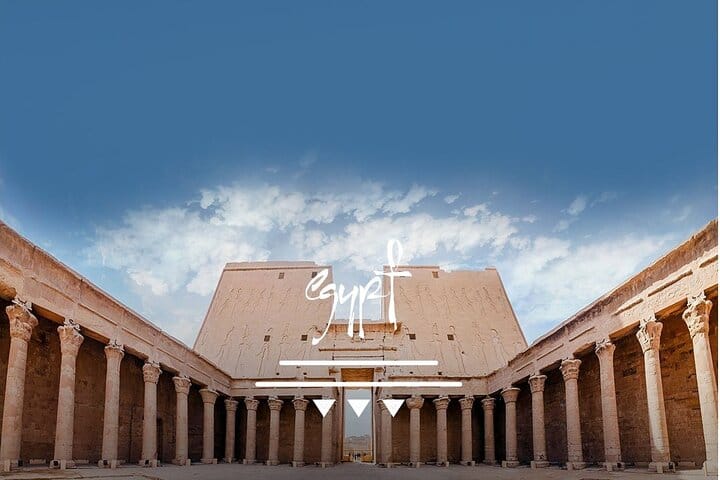
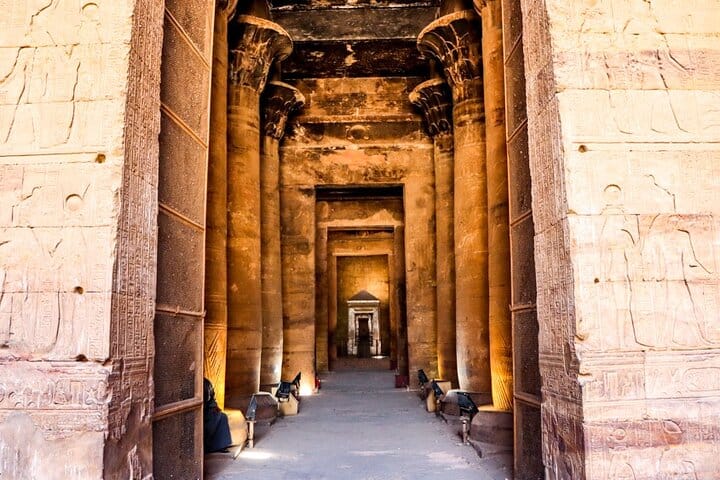
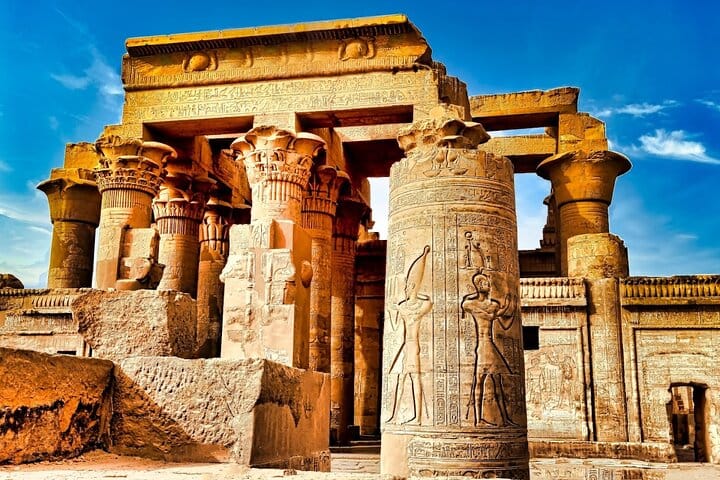
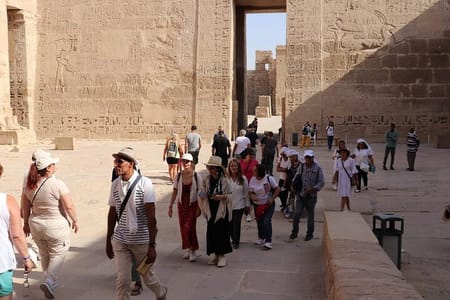
The monuments of Philae include many structures dating predominantly to the Ptolemaic Period (332–30 BC), which he dedicated to Isis, the mother of Horus, the god of kingship. A scene in the mammisi, or birth room, where the birth of Horus was celebrated, depicts Isis suckling her son Horus in the marshes.
The temple of Isis was one of the last ancient Egyptian temples to remain active, as it continued to function until the reign of the Byzantine Emperor Justinian I (527–565 AD)
The temple was converted into a Christian church and many inscriptions were deliberately destroyed.
Isis is once again central to this cult, as the emperor is shown making offerings to her, her consort Osiris, and their son Horus.
All these monuments were relocated from the original Philae island to the nearby island of Agilkia during the UNESCO Nubia Campaign in the 1960’s to rescue sites flooded by the construction of the Aswan High Dam.
The High Dam is a water dam on the Nile River in southern Egypt, established during the reign of Gamal Abdel Nasser, and the Soviets participated in its construction. The High Dam helped greatly in controlling the flow of water and mitigating the effects of the Nile flood. Used to generate electricity in Egypt. The length of the dam is 3600 meters, the width of the base is 980 meters, the vein of the summit is 40 meters, and the height is 111 meters. The volume of the dam body is 43 million cubic meters of cement, iron and other materials, and a water flow of up to 11,000 cubic meters of water per second can pass through the dam.
Obelisks are iconic monuments and masterpieces of ancient Egyptian engineering. They are found throughout Egypt and usually stand in towering pairs in front of entrances to temples. Known in ancient Egyptian language as tekhen, they are made from a single piece of stone with a rectangular shaft and topped by a gilded pyramidion to reflect the sun’s rays. Obelisks are associated with solar mythology, representing the benben, or first land to come into existence at the dawn of time, and from which the sun-god stood to create the universe. Egyptian kings liked to have obelisks made and dedicated to themselves by carving their names and religious dedications onto the four sides of the obelisk’s shaft.
The Unfinished Obelisk was discovered in the early twentieth century after it had been covered by sand for thousands of years. It remains as you see it today in one of the Aswan quarries, famous for its supply of hard and high-quality stone. Believed to have been commissioned by Hatshepsut