White Desert Tours
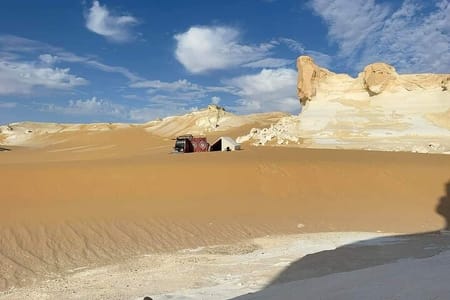
At 07:00 A.M. After breakfast at your hotel in Cairo. Nile Holiday tour guide & driver will pick you up. And then drive for 360 km (Approx. 4-5 hours) to Bahariya Oasis. On arrival & transfer to your 4X4 land cruiser, then drive to El-Heiz, a Bedouin village to enjoy your lunch. Continue driving to explore the black desert, the sand dunes, the crystal mountain, Aqabat valley in your way to the the white desert Camping site at the white desert national park. And then, start to set up the camp among the white rock formations that have been eroded by years of wind and sand. Enjoy a wonderful sunset. Transfer back to the campsite at Al Haiz for overnight stay.
Meals: Lunch, Dinner
The White and Black Deserts are two stunning landscapes in Egypt, located within the Western Desert, which is part of the larger Sahara Desert. These unique areas offer a dramatic contrast in natural features and are popular among travelers for their surreal, almost otherworldly beauty. Here’s an overview:
White Desert
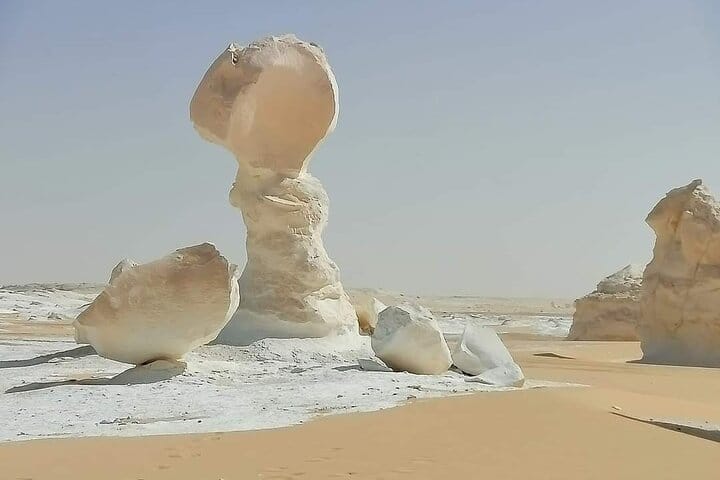
The White Desert is located about 45 km north of the oasis town of Farafra. It’s known for its mesmerizing landscape, marked by bright white chalk rock formations sculpted by wind erosion over thousands of years. Some key features of the White Desert:
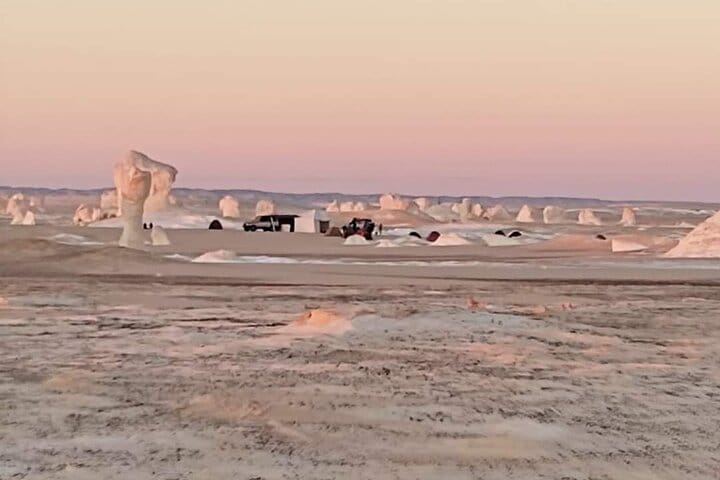
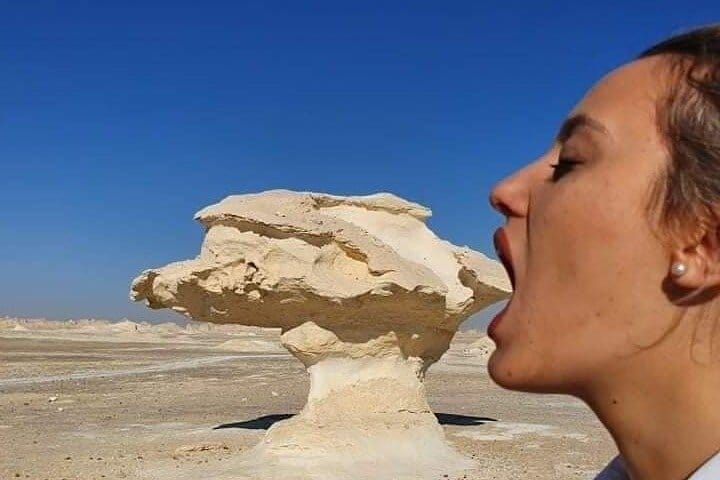
Unique Formations: The chalk formations, some resembling giant mushrooms, animals, or other abstract shapes, are a result of weathering. The area looks particularly magical during sunrise and sunset when the rocks take on a pinkish or golden hue.
White Sands: The sand and rocks in this region have a distinct pale color, giving the area its name and adding a mystical quality.
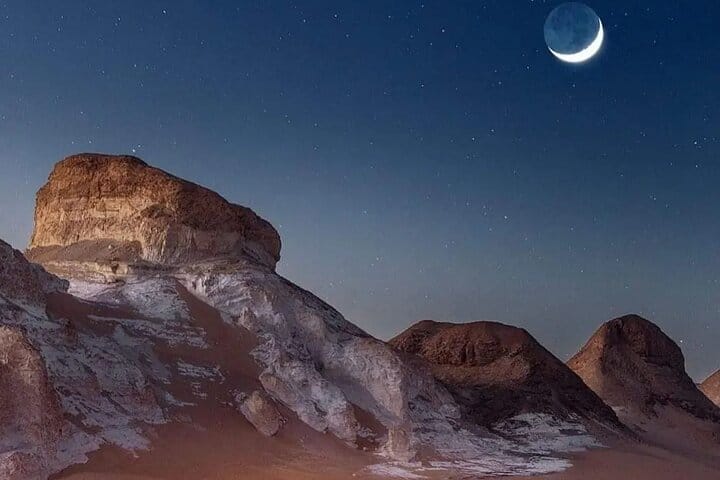
The landscape is a mix of limestone cliffs, sand dunes, and striking white chalk formations. These chalky structures, shaped over millions of years by wind and erosion, give the area a mystical and alien appearance.
The valley has dramatic rock formations that seem to rise suddenly from the desert sands, with shapes that can resemble towering pillars, mushrooms, or other abstract forms.
The white and yellow sands in the valley add layers of color, creating an ethereal look at different times of day, especially at sunrise and sunset.
The Valley of Agabat is accessible by 4x4 vehicles, often as part of a desert safari tour. The challenging sandy terrain and steep dunes make it an ideal location for adventure activities, including sandboarding. Its remote location provides a sense of seclusion and tranquility, allowing visitors to fully immerse themselves in the natural desert landscape.
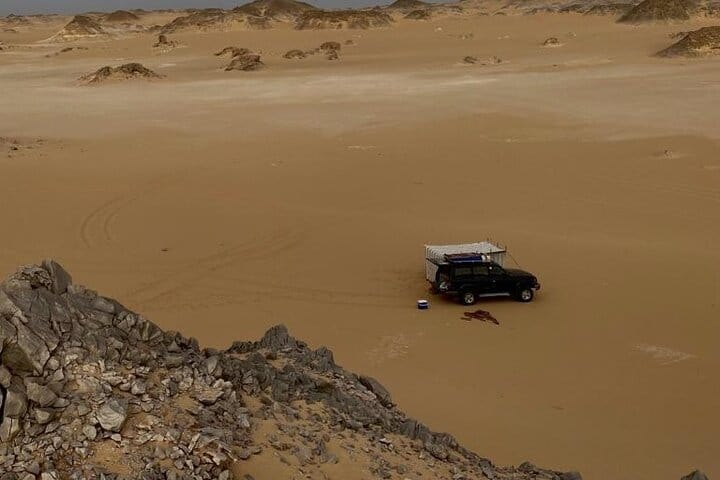
Volcanic Origins: The black rocks and dark appearance come from ancient volcanic activity. The landscape is dotted with mounds and hills formed from solidified lava and basalt, giving the terrain its distinct dark coloration.
Sedimentary Layers: Underneath the dark volcanic rocks, sedimentary layers reveal the geological history of the region, including evidence of ancient seas and marine life.
Contrasting Landscapes: The Black Desert’s unique appearance contrasts sharply with the pale, chalky features of the nearby White Desert, creating a stark visual difference.
Black and Orange Hues: While the primary color is black, some areas feature an orange-brown hue due to the underlying sand and rocks peeking through.
Scattered Rock Formations: The terrain is scattered with large, black boulders and smaller rocks that have eroded over time.
Crystal Mountain in Egypt is an intriguing geological site located between the Bahariya Oasis and the Farafra Oasis in the Western Desert. This natural formation is celebrated for its stunning crystal-like appearance and its popularity as a stop for those exploring Egypt’s deserts. Here’s a closer look at this remarkable location
Historical Significance: Crystal Mountain was likely discovered relatively recently by modern explorers and Bedouins. Unlike Egypt’s ancient monuments, it doesn’t have historical or archaeological significance but is valued for its natural beauty.
Formation Process: The crystals were formed millions of years ago due to tectonic forces and mineral deposits. Over time, the accumulation of calcite created a large, crystal-rich ridge in the middle of the desert.
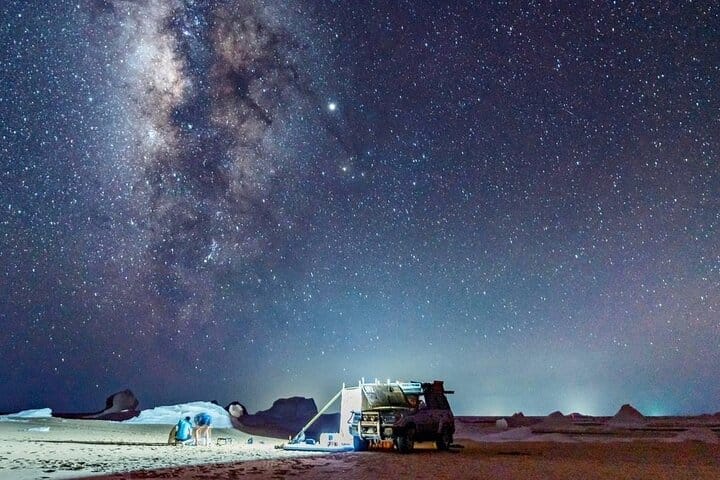
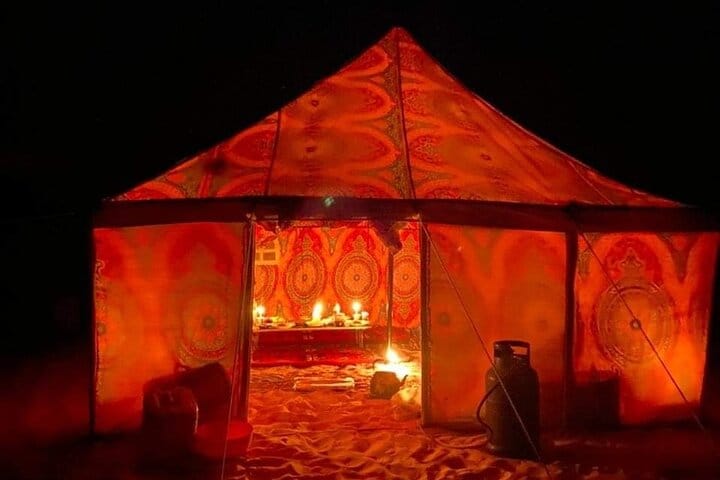
camping in white desert