 Elite
Elite
Saranda Forest Full-Day Tour from Kolkata with Lunch
Free Cancellation · Instant confirmation · Private tour

Pick up from your hotel for full day city tour of Old & New Delhi. Visit -
Red Fort - an imposing octagonal citadel built in 1638 by Mughal emperor Shah Jahan. It is constructed mainly of red sandstone.
Jama Masjid - constructed of red sandstone and marble by the Mughal emperor Shah Jahan in 1650 AD. Today, 25,000 people can pray here at a time.
Chandni Chowk - this market exemplifies the quintessential feeling of Old Delhi — noisy, busy, and overflowing with goods. People, bicycles, cycle rickshaws and animals jostle for space in the narrow lanes near obscure stores selling anything from wedding wear to jewelry, hardware, and electronics. North Indian snacks are plentiful. (Some wholesale sub-markets closed on Sundays)
Gurdwara Bangla Sahib is the most prominent Sikh gurdwara, or Sikh house of worship, in Delhi, known for its association with the eighth Sikh Guru, Guru Har Krishan, and the pool inside its complex, known as the "Sarovar", whose water is considered holy by Sikhs and is known as "Amrit". It was first built as a small temple by Sikh General, Sardar Bhagel Singh in 1783, who supervised the construction of nine Sikh shrines in Delhi in the same year, during the reign of Mughal Emperor.
The Laxminarayan Temple is a Hindu temple dedicated to Laxminarayan in Delhi, India. Laxminarayan usually refers to Vishnu, Preserver in the Trimurti, also known as Narayan, when he is with his consort Lakshmi. The temple, inaugurated by Mahatma Gandhi, was made built by B. R. Birla and Jugal Kishore Birla from 1933 and 1939. The side temples are dedicated to Shiva, Krishna and Buddha.
Lutyens' Delhi - Built in the 1910s, it is home to some of the most important ministries of the Cabinet of India. Situated on Raisina Hill, the Secretariat buildings are two blocks of symmetrical buildings (North Block and South Block) on opposite sides of the great axis of Rajpath, and flanking the Rashtrapati Bhavan (President's House).
Humayun’s Tomb - an exquisite mid-16th-century tomb of the Mughal emperor with landscaping around. The tomb was commissioned by Humayun's first wife and chief consort, Empress Bega Begum, in 1569-70, and designed by Persian architects.
Qutub Minar - constructed in red sandstone, this is the highest monument tower in India. Also see the centuries-old Iron Pillar.
Bahai Lotus Temple - this Bahai house of worship designed in the shape of a lotus flower sits amid landscaped gardens and pools.
After sightseeing drop off to your hotel.
Fully refundable until 1 day before start
Non-refundable after 1 day before start
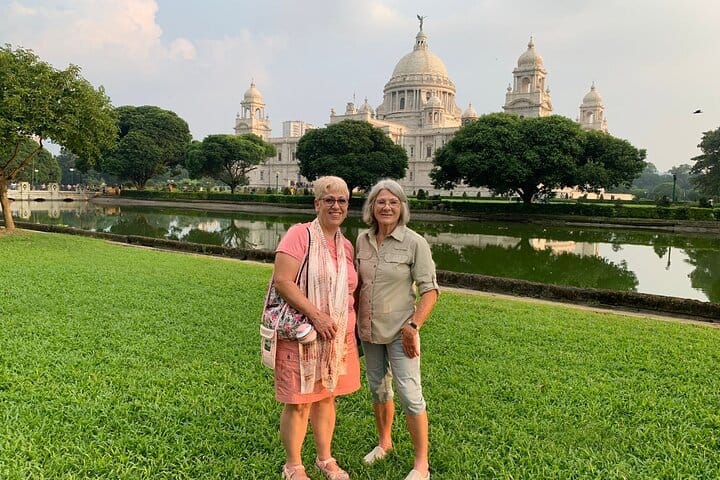
Free Cancellation · Instant confirmation · Private tour
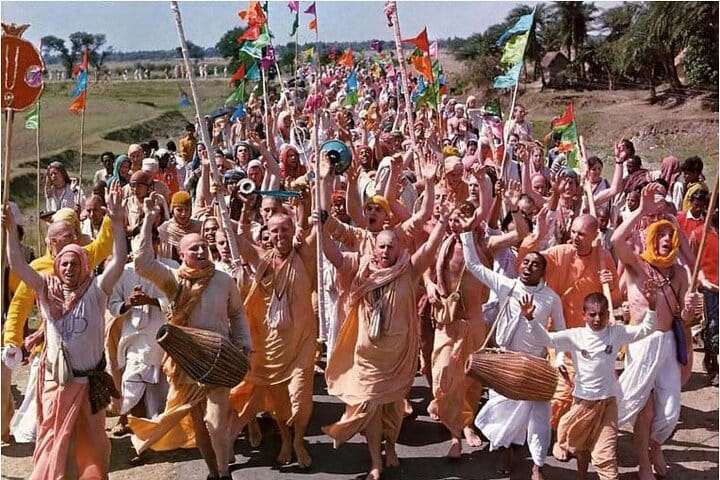
Instant confirmation · Private tour · Pickup available
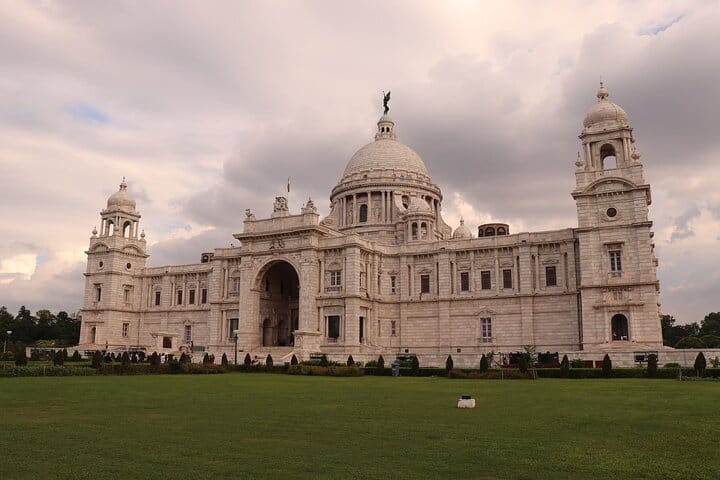
Free Cancellation · Instant confirmation · Private tour
Free Cancellation · Instant confirmation · Private tour
Our assistant finds tours and checks live dates and prices, and answers your questions.