Private Half-Day Cultural Tour of Rome's Iconic Landmarks
Free Cancellation · Instant confirmation · Private tour

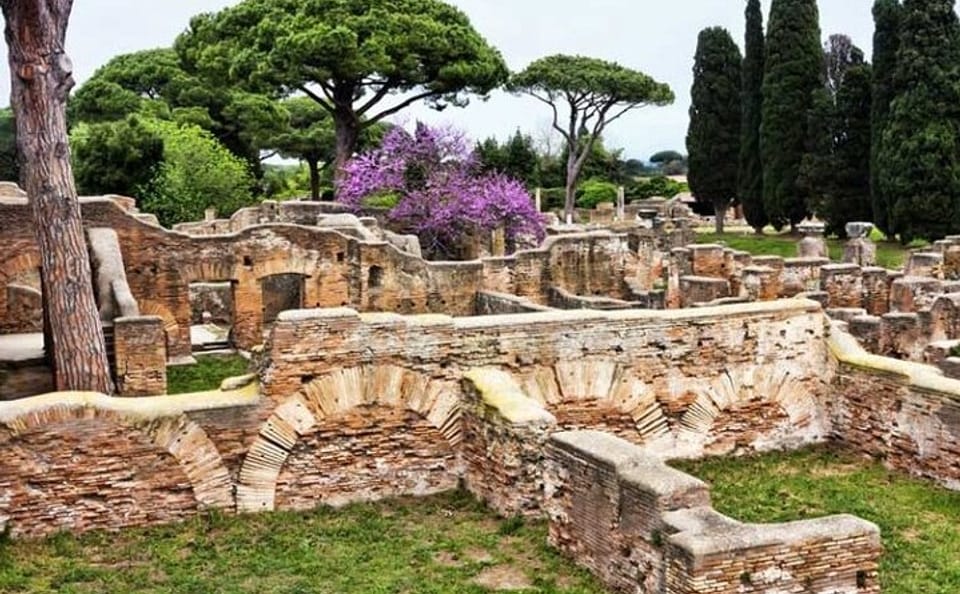
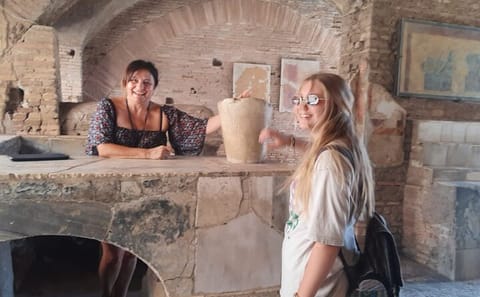
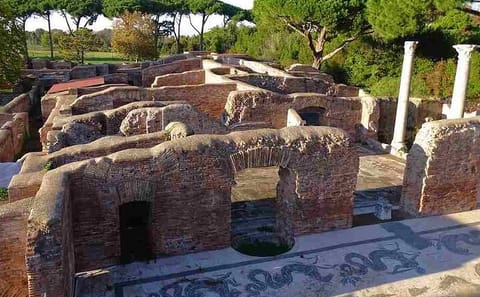
This private tour focuses on the importance of Ostia during the Roman empire. Ostia Antica is a large archaeological site, close to the modern suburb of Ostia (Rome). “Ostia” in Latin means “mouth”, indeed the city is located at the mouth of the River Tiber. It is located approximately 30 km in the northeast, and in ancient times it used to be the harbor of ancient Rome. How we said before, Ostia Antica was Rome’s seaport, but due to silting and a drop in sea level, the site now lies 3 km far from the sea. The site is noted for the excellent preservation of its ancient buildings, magnificent frescoes and impressive mosaics.
As regards as its history, Ostia may have been Rome’s first colonia. An inscription says that Ostia was founded by Ancus Marcius, the semi-legendary fourth king of Rome, in the 7th century BC. The oldest archaeological remains so far discovered, date back to the 4th century BC. The most ancient buildings currently visible are from the 3rd century BC, notably the Castrum (military camp) and the Capitolium (temple of Jupiter, Juno and Minerva) that is subsequent to the former. The opus quadratum technique used to build the walls of the original Castrum at Ostia, provides important evidence for the building techniques that were employed in Roman urbanization during the period of the Middle Republic
Free Cancellation · Instant confirmation · Private tour
Free Cancellation · Instant confirmation · Meet on location
Free Cancellation · Instant confirmation · Private tour
Free Cancellation · Instant confirmation · Private tour
Instant confirmation · Private tour · Pickup available
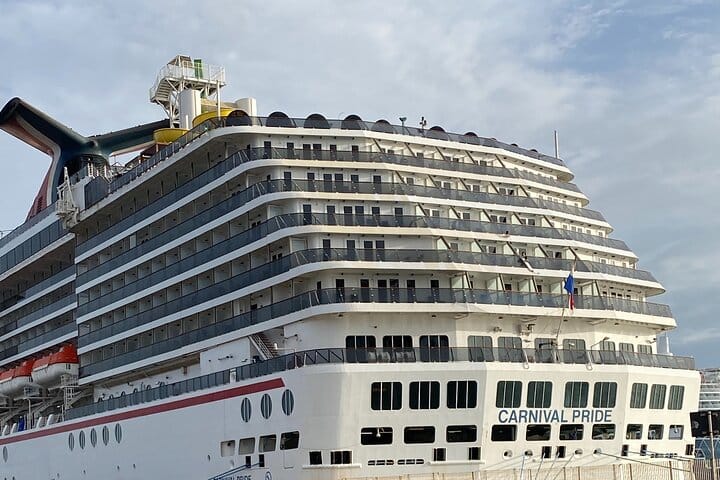
Free Cancellation · Instant confirmation · Private tour
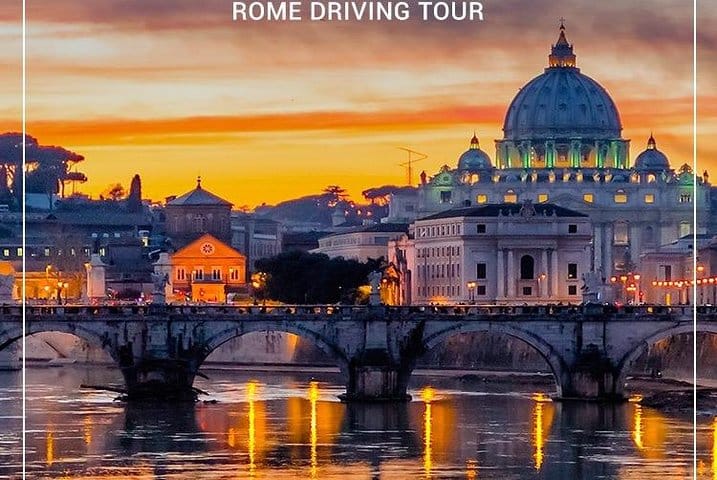
Free Cancellation · Instant confirmation · Private tour
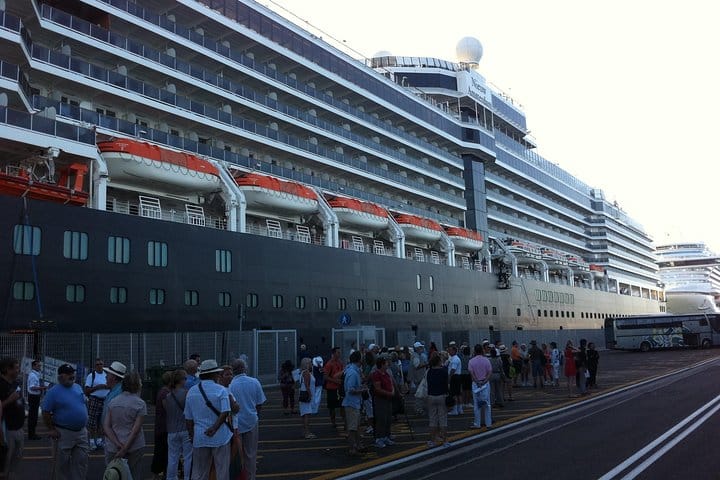
Instant confirmation · Private tour · Pickup available
Our assistant finds tours and checks live dates and prices, and answers your questions.