
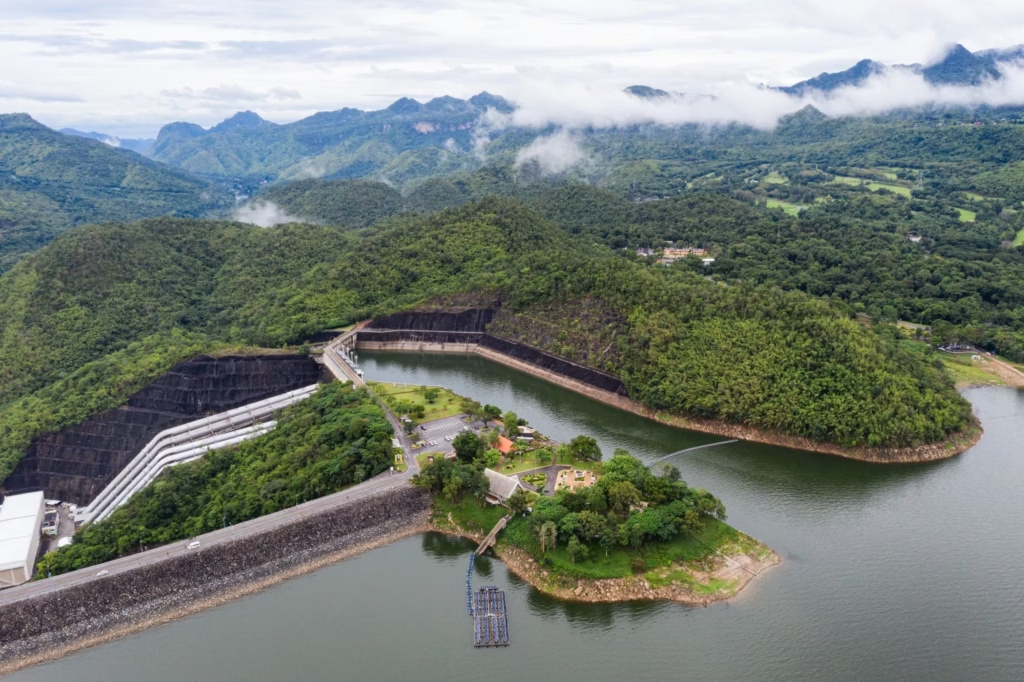
Traveling through Asia has a quiet but powerful side effect: it changes how you move through every destination that comes after.
Instead of racing through a checklist of “must-see” landmarks, many travelers find themselves slowing down, paying closer attention, and seeking out deeper connections with people and place. From misty mountain valleys and neon-lit streets to tiny noodle shops and sunrise temples, Asia nudges you toward a more mindful, more curious way of traveling.
This guide explores how that shift happens — and how you can design your own trip through Asia to be more meaningful, not just more “packed with sights.”
Why Asia Leaves Such a Deep Mark on Travelers
Asia is huge and wildly diverse, but there are a few threads that tend to shape most journeys here:
- Layered history and living traditions – Temples in use for centuries, family-run shops, festivals that still guide the yearly rhythm of life.
- Landscapes that feel like different worlds – Rice terraces, coral-fringed islands, mega-cities, tea fields, deserts, high-altitude lakes — sometimes all in one trip.
- A culture of hospitality – From homestays to street food stalls, everyday interactions often feel warm, curious, and open.
- Good value for money – In many countries, your budget stretches far enough to stay longer, take more side trips, and say “yes” to experiences you’d skip elsewhere.
Put all of that together, and something important shifts: instead of “fitting Asia into your schedule,” you start letting the destination set the pace.
From “See It All” to “Feel It More”
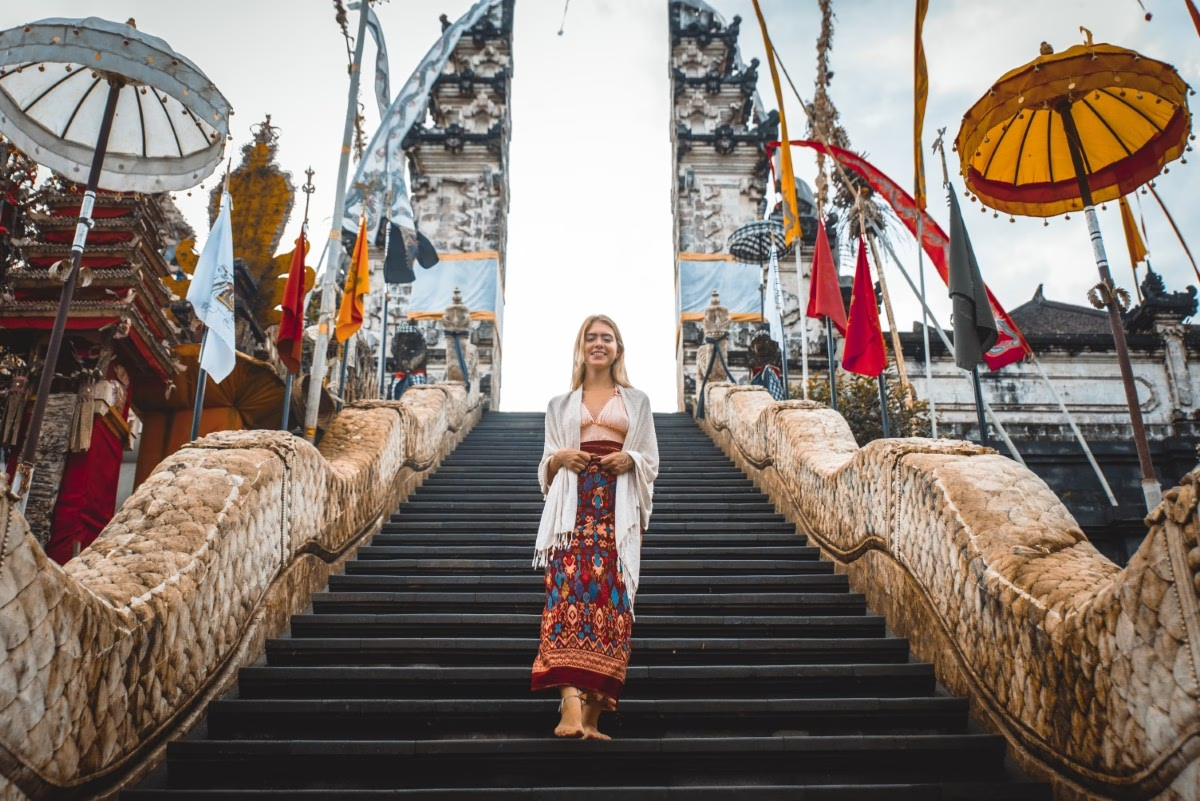
Many first-time visitors arrive in Asia with a packed list: temples, markets, viewpoints, islands, food tours, night trains. After a week or two, they often realize that their favorite memories aren’t the big-ticket attractions — they’re the small, unplanned moments:
- The coffee stall you returned to every morning in Hanoi
- The noodle shop under your guesthouse in Bangkok
- The elderly couple who helped you find the right train in Kyoto
Asia rewards travellers who slow down, stay put for a bit, and really live in a neighborhood rather than just pass through it.
City Neighborhoods That Turn You Into a “Local for a While”
Asia’s cities can feel overwhelming at first glance — chaotic traffic, glowing billboards, unfamiliar scents and sounds. But once you root yourself in a specific neighborhood, they becomes one of the easiest places on earth to feel at home.
A great example is Bangkok’s Sukhumvit area. Rather than bouncing between distant districts and spending half your day in taxis, basing yourself in a well-connected, walkable neighborhood lets you experience the city at a more human scale.
Staying somewhere like Hotel Sukhumvit Soi 8 places you on a quieter side street just off the main Sukhumvit Road, within walking distance of the BTS Skytrain. From there, you can easily slip between:
- Local life – Morning street food stalls, neighborhood cafés, small massage shops where staff recognize you after day two.
- Modern convenience – Skytrain access to malls, rooftop bars, co-working spaces, and major landmarks.
- Nightlife and dining – Trendy restaurants, casual bars, and night markets are close enough to reach on foot or by train, but far enough that your base remains calm and restful.
That combination — quiet base, vibrant surroundings — changes how you explore:
How a Well-Chosen Base Changes Your Trip
Instead of sprinting across town, your travel days start to look like this:
- Slow mornings
- Breakfast at the same café, chatting with staff.
- Short walk to the Skytrain instead of negotiating taxis.
- Compact, focused sightseeing
- One or two key sights per day, chosen thoughtfully.
- More time wandering side streets around those sights, rather than rushing to the next.
- Evenings that feel like “coming home”
- Dinner at a favorite neighborhood restaurant.
- A stroll back to the hotel, noticing how the same street feels different at night.
Over a few days, you stop feeling like a stranger and start recognizing faces, routines, and rhythms. That “temporary local” feeling is addictive — and once you’ve experienced it in places like Bangkok, you tend to seek it out everywhere you travel.
Everyday Details That Make Travel in Asia Feel Deeper
Small, recurring moments often become the heart of a trip:
- Markets as morning rituals
- Watching stallholders set up, seeing regulars chat, tasting new fruits one by one
- Street food as social glue
- Perching on plastic stools, sharing tables with strangers, miming your order when you don’t share a language
- Temples and shrines as breathing spaces
- Stepping off a noisy street into incense-scented quiet for five minutes of calm
- Politeness and respect are baked into daily life
- Removing shoes, greeting with a bow or wai, dressing modestly at religious sites
These repeated experiences don’t just fill your photo gallery — they subtly retrain you to travel more observantly and respectfully.
Travel shift: In Asia, you quickly learn that how you move through a place matters just as much as what you see.
Landscapes In Asia That Reset Your Pace
Asia is not a single kind of landscape. It feels more like a whole collection of different worlds that share one passport. Within a few hours of travel you can move from crowded night markets to misty rice terraces, from coral reefs to high mountain passes. That variety does something important to your travel mindset: it reminds you that there is no single “right” way to explore.
From City Skylines To Quiet Countryside
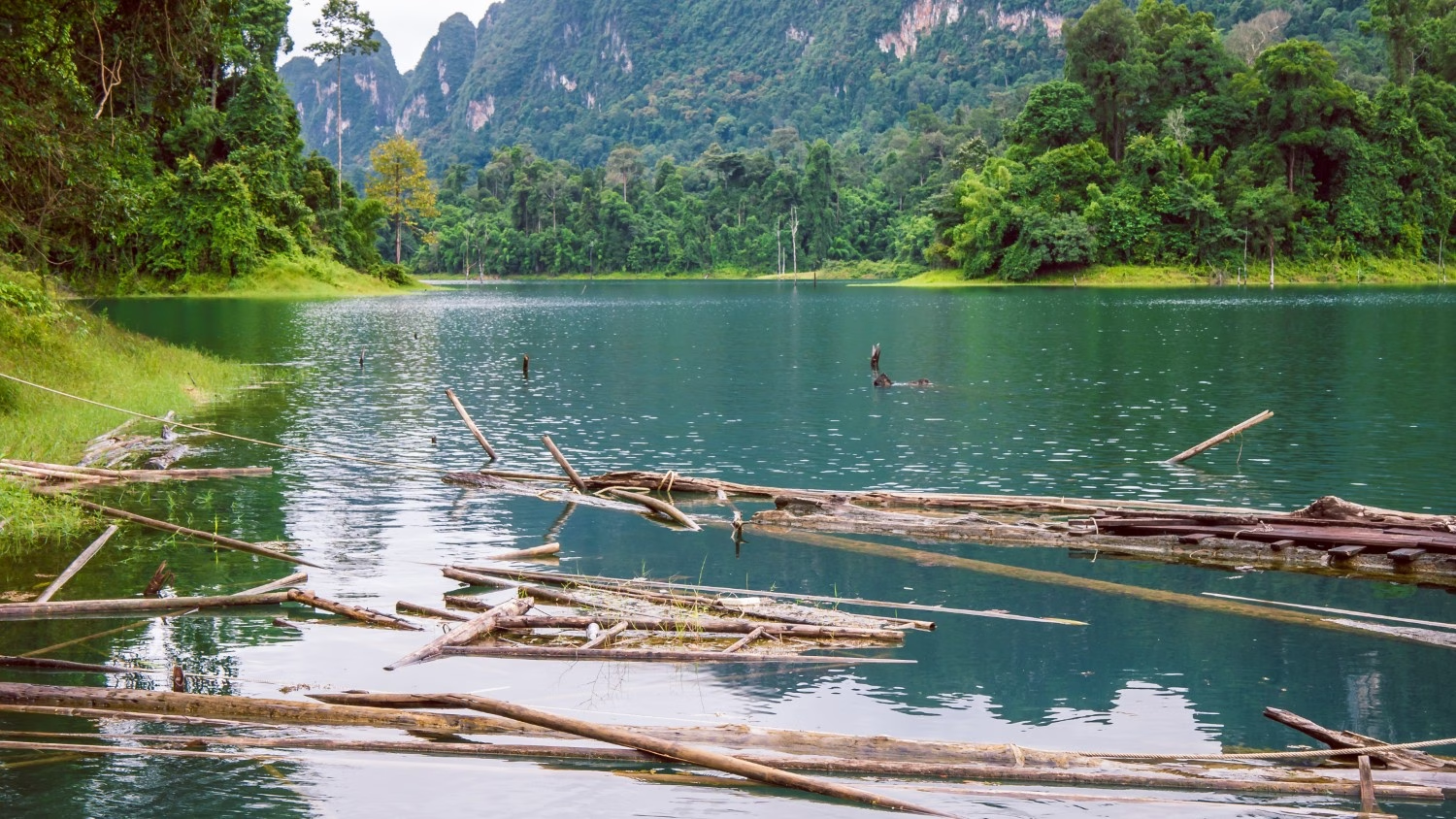
One of the biggest shifts many travelers notice is how easily you can combine intense city energy with deep stillness:
- Megacities like Bangkok, Tokyo, Kuala Lumpur, Seoul or Singapore offer bright lights, late nights and constant movement.
- Countryside escapes show you a slower side of life: rice paddies in Bali and Vietnam, village homestays in Northern Thailand, tea plantations in Sri Lanka, and mountain lodges in Nepal.
- Coastal pockets give you that in-between rhythm where life moves with the tide rather than the clock.
Because these places are relatively close to one another, you can plan trips that breathe: a few days of city buzz followed by a few days of nature, then back again if you want. You begin to design itineraries for your energy level, not just your FOMO.
Adventure And Stillness On The Same Trip
Asia is ideal if you want your travels to feel both exciting and restorative. A single itinerary might include:
- An overnight trek or sunrise hike
- A chilled beach day with nothing planned except fresh fruit and a good book
- A food-focused city day where you ride the subway or Skytrain from market to café to night bazaar
- One completely unscheduled day that you fill spontaneously
That mix of activity and rest teaches you something powerful: a “good” trip is not one where you come home exhausted. It is one where you enjoyed the fast moments and gave yourself space to process them.
Building Your Own List Of Asian Vacation Ideas
Once travelers get a taste of how diverse the region is, they often start building their own mental list of dream destinations and experiences. Instead of thinking “I have done Asia”, they realize they have only scratched the surface.
If you are starting to plan or dream, resources like curated Asian vacation ideas are incredibly useful. They help you see the region by experience type rather than just by country.
Matching Destinations To Your Travel Style
Use your personal travel style as a starting point. Here is a simple way to think about it:
| Travel style | What you crave most | Great examples in Asia |
|---|---|---|
| Culture first | Temples, history, local rituals | Kyoto, Luang Prabang, Jaipur, Yogyakarta |
| Food obsessed | Street food, markets, cooking classes | Bangkok, Penang, Osaka, Taipei |
| Ocean lover | Beaches, diving, island hopping | The Maldives, Philippines islands, Thai islands, Indonesian isles |
| Nature and trekking | Mountains, valleys, remote villages | Nepal, Northern Vietnam, Bhutan, Northern Thailand |
| Urban explorer | Architecture, nightlife, coffee culture | Tokyo, Seoul, Singapore, Hong Kong |
| Wellness and reset | Yoga, slow mornings, quiet surroundings | Bali, Sri Lankan retreats, spa towns in Japan |
You do not need to fit into only one category. Most travelers are a mix, which is perfect because Asia makes it very easy to combine different experiences in one longer journey.
Summer, Winter, And Shoulder Seasons
Another way Asia changes the way you plan travel is the way it plays with seasons. Instead of thinking only about the European or North American summer break, you start noticing:
- Where monsoon patterns fall and how that affects beach plans
- Which cities feel comfortable to walk in during hotter months
- Which mountain regions are best for cool-weather escapes
- How festivals, New Year celebrations and cherry blossom seasons can shape your itinerary
You become more strategic and more flexible at the same time. The region trains you to think beyond “high season” and find that sweet spot where weather, crowds and prices align.
Japan: Where Tradition And Modern Life Meet
If Asia as a whole teaches you to slow down, Japan often becomes the place where that lesson really sinks in. You move through ultra-modern train stations, then sit in quiet wooden temples that have watched centuries pass. Vending machines stand near stone lanterns. Neon reflections ripple in ancient moats.
Curated experiences in Japan can show how this blend of old and new shapes your travels. Think of things like:
- Participating in a tea ceremony where every gesture is intentional
- Staying in a ryokan (traditional inn) and learning to appreciate multi-course kaiseki dinners and hot spring baths as a kind of moving meditation
- Visiting shrines early in the morning before tour groups arrive, when you can hear your own footsteps on the gravel
- Riding high speed trains that arrive to the minute, which quietly raises your standards for public transport everywhere else
How Japan Resets Your Sense Of Time
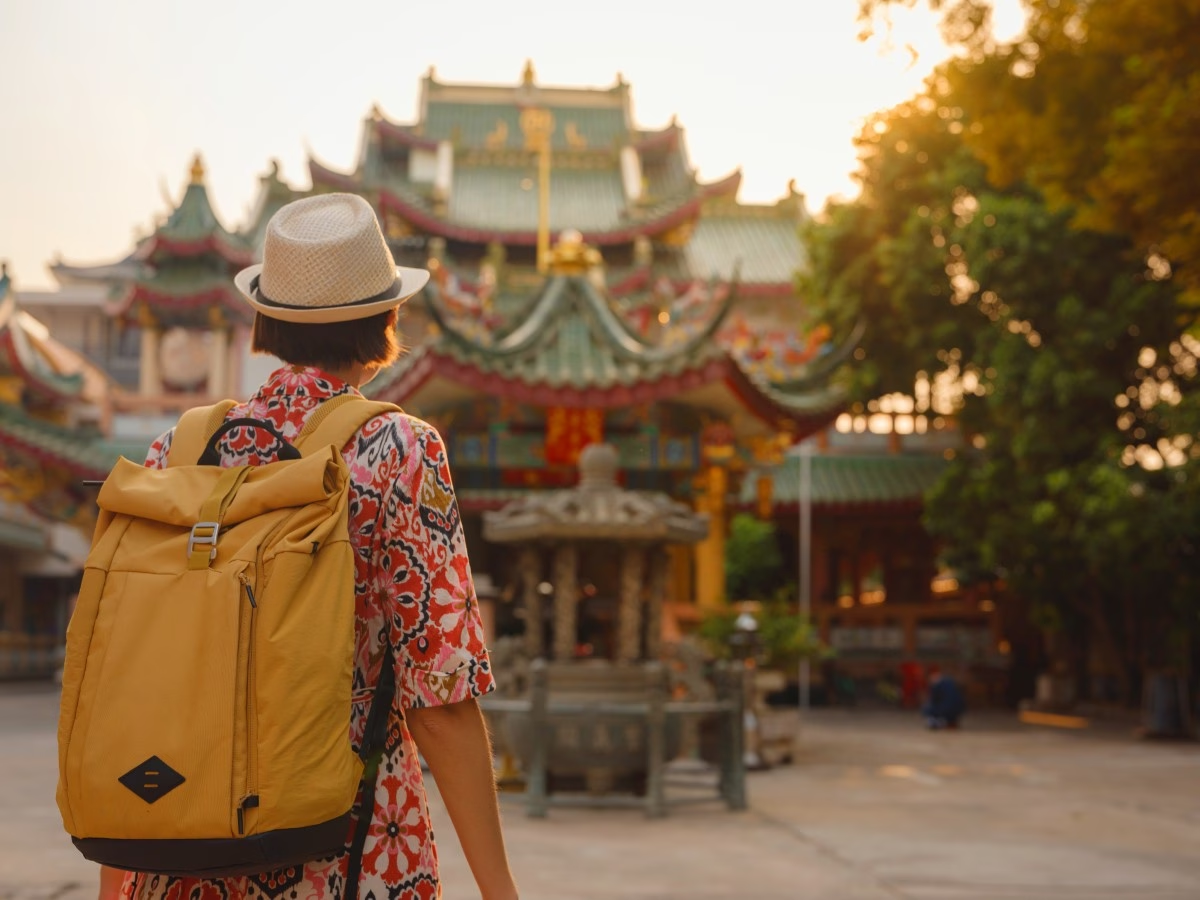
Time feels different in Japan. A single day can hold:
- The slow, ritualized pace of a tea house
- The rushing energy of Shibuya Crossing
- The timeless calm of a moss garden or bamboo grove
Instead of fighting that contrast, you learn to enjoy it. On future trips to other countries, you may find yourself:
- Choosing early morning or late evening visits to popular sights
- Leaving gaps in your schedule for spontaneous detours
- Valuing small, quiet moments as much as the dramatic ones
In that sense, Japan does not just fill your photo album. It rewires your instincts about how to use your time on the road.
The Moments You Remember Long After You Return
When you look back on travel in Asia months or years later, the standout memories are rarely the ones you expected. Yes, the famous temples, skylines and beaches are beautiful. But what lingers tends to be much more personal:
- A late-night conversation with a guesthouse owner
- The smell of incense and street food blending together in your mind
- The sound of rain on a tin roof in a mountain village
- The feeling of cool stone under bare feet in a temple courtyard
These are not things you can fully plan. You create the conditions for them by traveling slowly, staying curious and being willing to step a little outside your comfort zone. Asia, with its mix of hospitality and surprise, does the rest.
Practical Tips For More Meaningful Travel In Asia
It is easy to read about slower, deeper travel and then accidentally plan a rushed itinerary. To help bridge that gap, here are practical ways to design an Asian trip that feels intentional, human and memorable.
1. Plan Fewer Places, Stay Longer
A common first-timer mistake is trying to cover three or four countries in two weeks. On the map, it looks possible. On the ground, it often feels like unpack, repack, repeat.
Instead, try this pattern:
- Pick one or two countries
- Choose two or three bases total
- Spend at least three nights in each place, ideally more
This gives you time to recognize faces at the local café, notice how the light changes across the day and discover small side streets that never appear on top ten lists. You still see plenty, but you also feel the place.
2. Choose Neighborhoods, Not Only Landmarks
Before booking, look at a city map and ask:
- Where can I walk to from my accommodation
- How far is public transport
- Does the area have a mix of local spots and visitor friendly options
That is why staying around a central yet calmer pocket works so well. You are close to the Skytrain and city life, but your immediate surroundings feel like a neighborhood rather than a highway.
When you choose by neighborhood first, famous sights become day trips instead of the entire focus of your stay.
3. Use Food As Your Easiest Point Of Connection
In many parts of Asia, food is the most natural way to meet the culture. You do not have to be an expert. Curiosity and a basic sense of adventure are enough.
Try to:
- Eat at least one meal per day in a small, local spot within walking distance of your hotel
- Visit markets in the morning and try one new snack or fruit at a time
- Join a cooking class so you can shop and cook with a local host
- Learn how to say “delicious”, “please” and “thank you” in the local language
Food memories stay vivid for years, and the conversations you have over shared dishes often become highlights of the trip.
4. Learn A Little Etiquette Before You Arrive
Respect is a universal travel language. A few small habits can make a big difference in how comfortable and welcomed you feel. Before you travel, look up:
- Basic greetings and body language
- How to behave at temples, mosques or shrines
- Whether you should remove your shoes before entering homes or certain shops
- Local tipping expectations, if any
- Dress norms, especially for religious sites
You do not need to be perfect. Locals usually appreciate the effort. Over time, these small acts of care become part of your travel identity.
5. Balance Booked Activities With Open Space
Guided tours and special experiences can be incredibly valuable in Asia, especially when language differences are big. They give you context, stories and access that you might not find on your own.
The key is balance. For each full day of guided activities, try to keep another day mostly open with only one light plan, such as:
- “Morning at the market, afternoon free”
- “Temple visit before lunch, then wandering.”
- “One museum, then find a café and people watch”
This open space invites the kind of small surprises that stay with you long after the trip ends.
6. Be Thoughtful With Photos
Asia can feel endlessly photogenic, from skyline views to tiny altars on street corners. It is tempting to photograph everything. A few simple habits keep your photography respectful:
- Ask before taking close up photos of people
- Avoid photographing prayer or offerings from an intrusive distance
- Put the camera away sometimes and let yourself simply be present
- Back up your photos frequently so you are not stressed about losing them
Ironically, the moments you do not photograph often become some of the clearest memories in your mind.
7. Pack Light, Travel Light
Because so many Asian cities rely on trains, ferries, narrow streets, and walk-up guesthouses, packing light pays off in comfort. A smaller bag means:
- Easier movement through stations and markets
- Less time packing and unpacking
- More flexibility if plans change or you decide to hop onto a new route
Travel in Asia has a way of teaching you that you need far less stuff than you think, and far more openness, patience and curiosity.
Quick Mindset Shifts For Traveling In Asia
Here is a simple way to see how Asia can upgrade your travel habits.
| Old habit | New habit inspired by Asia |
|---|---|
| Rushing to see every landmark | Picking fewer sights and spending more time at each |
| Eating in safe, familiar restaurants | Following local crowds to street food and markets |
| Staying only in big hotel districts | Choosing walkable neighborhoods as a base |
| Planning every hour of the day | Leaving open blocks for wandering and rest |
| Fearing language barriers | Using smiles, apps and gestures to connect |
| Judging a trip by how much you did | Judging a trip by how deeply you experienced it |
Keep this table in mind when planning. Each small shift adds up.
How Asia Changes The Way You Travel Everywhere Else
After a trip or two in Asia, many travelers find that their habits have changed globally. They start planning European city breaks, American road trips or African safaris with a “learned in Asia” mindset.
Here are a few changes that often stick.
1. You Prioritize Connection Over Checklists
You still appreciate famous landmarks, but they now share the spotlight with:
- Daily rituals in neighborhood cafés
- Long conversations with hosts and guides
- Quiet moments on benches, in parks or at viewpoints
You measure success by how you felt, not just by what you saw.
2. You Become More Comfortable With The Unknown
Asia often involves:
- New alphabets and scripts
- Very different food, climate and customs
- Public transport systems that work differently from home
Once you have navigated all of that and realized that kindness and curiosity carry you through, the unknown becomes exciting rather than scary. Future trips feel more accessible.
3. You Plan With Flexibility In Mind
Instead of locking in every hour, you start building:
- Soft plans that can shift if you fall in love with a place
- Wiggle room for weather changes or travel delays
- Extra days in cities that feel like good bases
This flexibility protects your energy and opens the door to spontaneous opportunities.
4. You See Budget As A Tool, Not A Limit
Asia often offers great value. You learn how far your money can go when you:
- Eat where locals eat
- Use public transport with confidence
- Choose guesthouses and small hotels that feel personal
Those lessons transfer to every destination, helping you travel more often or for longer periods without compromising quality.
5. You Travel With More Respect
Experiences in temples, homestays and everyday city streets give you a living lesson in respect. You become more:
- Aware of how your behavior affects local communities
- Thoughtful about dress and conduct in sacred or traditional spaces
- Willing to listen first and speak second
Wherever you travel next, that attitude makes you a better guest.
Bringing The Lessons Home
Maybe the most surprising effect of traveling in Asia is how it changes your everyday life after you return. You might find yourself:
- Taking slower walks in your own city
- Seeking out small, family-run restaurants
- Using public transport more often instead of always driving
- Leaving your phone in your pocket for a few minutes to really observe what is around you
In a world that often rewards speed, Asia gently reminds you that depth has its own kind of value. It shows you that a trip can be both exciting and restful, both eye opening and grounding.